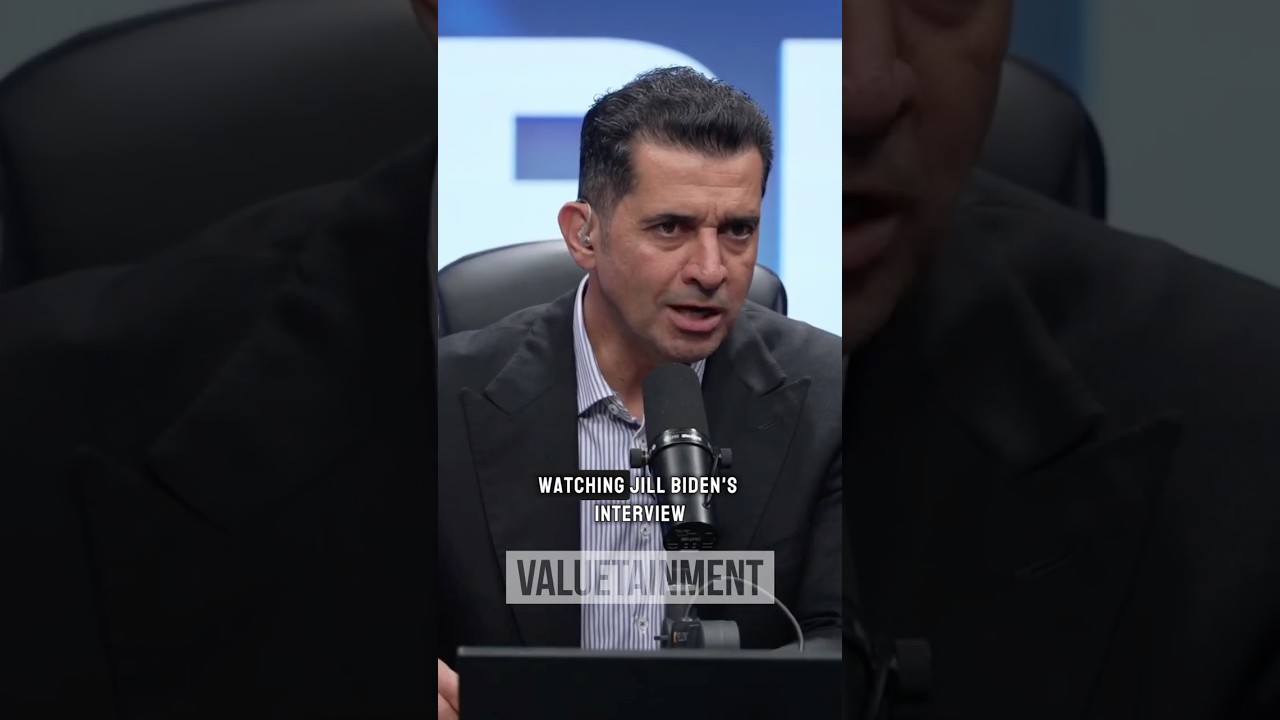
Learn Patrick Bet-David's media accountability framework implementation in GFunnel: capture public sentiment fast, organize responses, and track engagement from one place.
Public controversy moves quickly. A single interview clip can trigger questions about credibility, leadership, media framing, and institutional trust within hours.
That is the real problem Patrick Bet-David addresses in the PBD Podcast segment titled Jill Biden Interview Raises Eyebrows Over “Doctor” Comment. His reaction is not just about one awkward answer. It is about what happens when public figures make statements that intensify doubts instead of resolving them.
If you create media, publish commentary, run a personal brand, or lead a business that responds to breaking narratives, you need more than opinions. You need a repeatable system for turning fast-moving moments into structured content, audience capture, follow-up automation, and measurable response.
That is where a media accountability framework implementation becomes useful. Not as an abstract idea, but as an operating model.
In this guide, you'll see the framework Patrick Bet-David applies in this segment, then map it directly into GFunnel so you can execute it with speed. The goal is simple: move from reactive commentary to disciplined publishing.
Table of Contents
- Part 1: Patrick Bet-David's Media Accountability Framework
- Part 2: Here's how to implement each principle using GFunnel
- Part 3: Key Takeaways and Next Steps
- Frequently Asked Questions
Part 1: Patrick Bet-David's Media Accountability Framework
The problem: when the explanation creates more questions
Some public moments are damaging because of the original event. Others become more damaging because of the explanation that follows.
That is the tension at the center of this PBD Podcast segment. Patrick Bet-David reacts to a widely discussed clip involving Jill Biden, focusing on how her comments about Joe Biden's condition and her reference to doctors landed with the public. His concern is not framed as partisan theater. It is framed as a credibility issue.
Once a public figure appears evasive, dismissive, or detached from what people can plainly see, trust erodes fast. And when trust erodes, every later clarification is judged against that first impression.
For entrepreneurs and media operators, this dynamic matters more than politics. The same pattern appears in business every day. A founder gives a weak explanation during a crisis. A company spokesperson uses language that sounds defensive. A leader leans on credentials or authority instead of directly answering the concern. The audience does not feel reassured. It feels managed.
Patrick's response is useful because he strips the moment down to a few core instincts: identify the credibility gap, isolate the line that triggered public reaction, test whether the explanation actually resolves concern, and say plainly what seems inconsistent.
"It was very disturbing."
That opening matters. It establishes the standard immediately. He is not approaching the clip as a minor gaffe. He is treating it as a meaningful signal about judgment, public messaging, and accountability.
Why Patrick Bet-David's approach matters
Patrick Bet-David has built a media brand by taking complex, emotionally charged subjects and reducing them to clear pressure points. Whether the topic is business, politics, leadership, or institutional dysfunction, his style is consistent: cut through euphemisms, identify incentives, and ask what ordinary people are likely to conclude from what they see.
That matters because commentary often fails in one of two ways. It either becomes too emotional and loses structure, or it becomes so overproduced that it loses conviction. Patrick's style sits in a different lane. He tends to keep the emotional edge while moving quickly toward a thesis.
In this short segment, he does three things well.
- He names the reaction plainly instead of softening it.
- He focuses on the exact line likely to trigger the strongest public response.
- He broadens the issue from one person to a wider pattern of institutional shielding and public confusion.
That combination is why this media accountability framework implementation is worth studying. It is not about copying a political opinion. It is about learning how to structure a response when a public statement creates a trust gap.
"The doctors should have known."
That line captures his method. He hears an appeal to medical reassurance and immediately tests the logic behind it. If the claim is that everything was fine because professionals said so, then the professionals become part of the accountability chain.
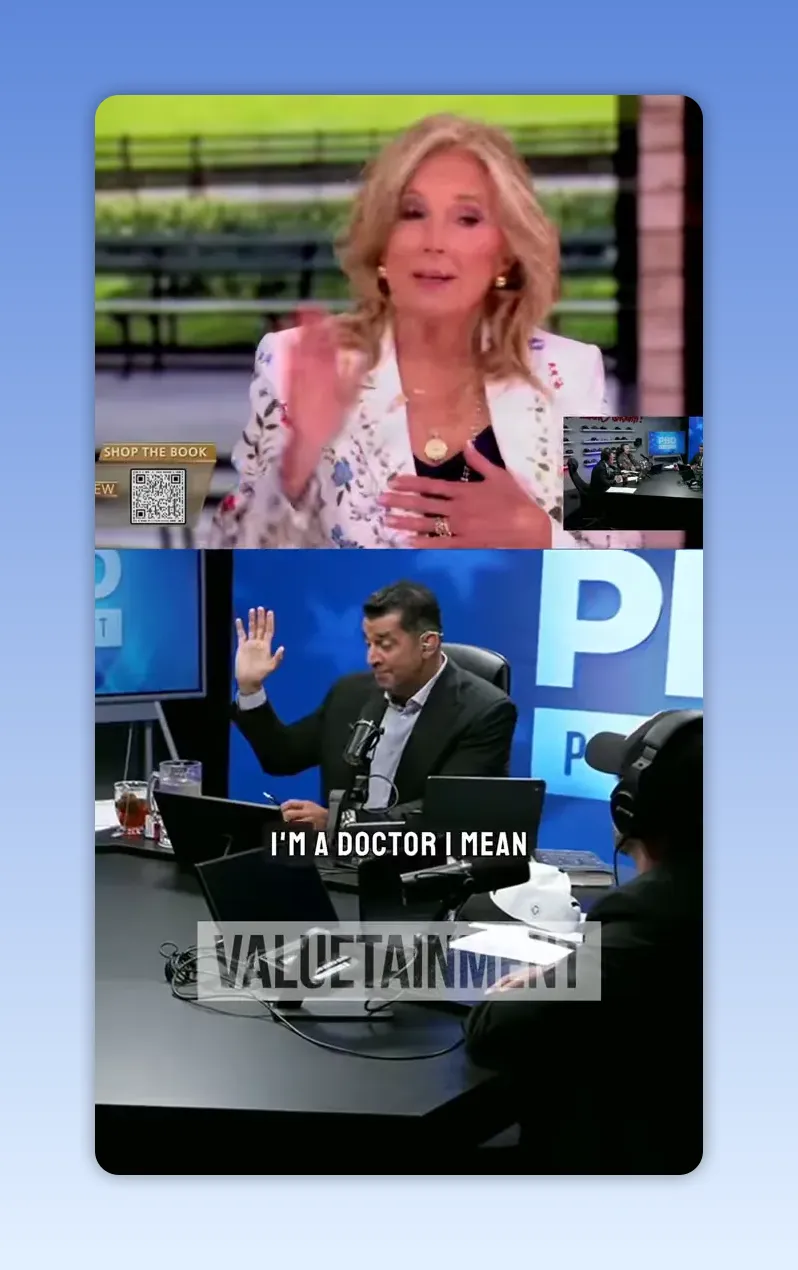
Then comes the moment that sharpened online reaction most: Jill Biden's attempt to deflect by saying she is not a doctor, followed by the irony that she in fact holds a doctorate in education. Patrick seizes on that gap because it turns a defensive answer into a broader optics problem.
"I'm a doctor. I mean, I am a doctor."
Whether the remark was intended as literal, ironic, or flustered, it became the line people remembered. That is exactly how public narrative works. The sentence that survives is often not the most nuanced one. It is the one that best symbolizes the problem.
Theme 1: Credibility gaps matter more than polished messaging
Patrick's first principle is that public trust depends on whether words match visible reality. If an answer feels disconnected from what people already suspect, it will deepen skepticism.
In practical terms, this means you cannot out-message a perception problem with smoother phrasing alone. If the public senses avoidance, a tidy answer often makes things worse.
For operators, this has a direct application. When responding to controversy, product backlash, customer complaints, or leadership questions, the first job is not spin. It is alignment. Does your explanation actually meet the concern head-on?
Theme 2: The most memorable line controls the narrative
Not every sentence in a public exchange carries equal weight. Usually one line becomes the symbol of the entire moment.
In this case, the doctor remark became the narrative anchor. It condensed confusion, irony, defensiveness, and public frustration into a single replayable moment.
This is an important lesson for any content team. When you analyze a public issue, identify the line, clip, screenshot, or claim that will travel furthest. That is the unit of attention. Your response should organize around that node, not around every side detail.
Theme 3: Accountability extends beyond the person speaking
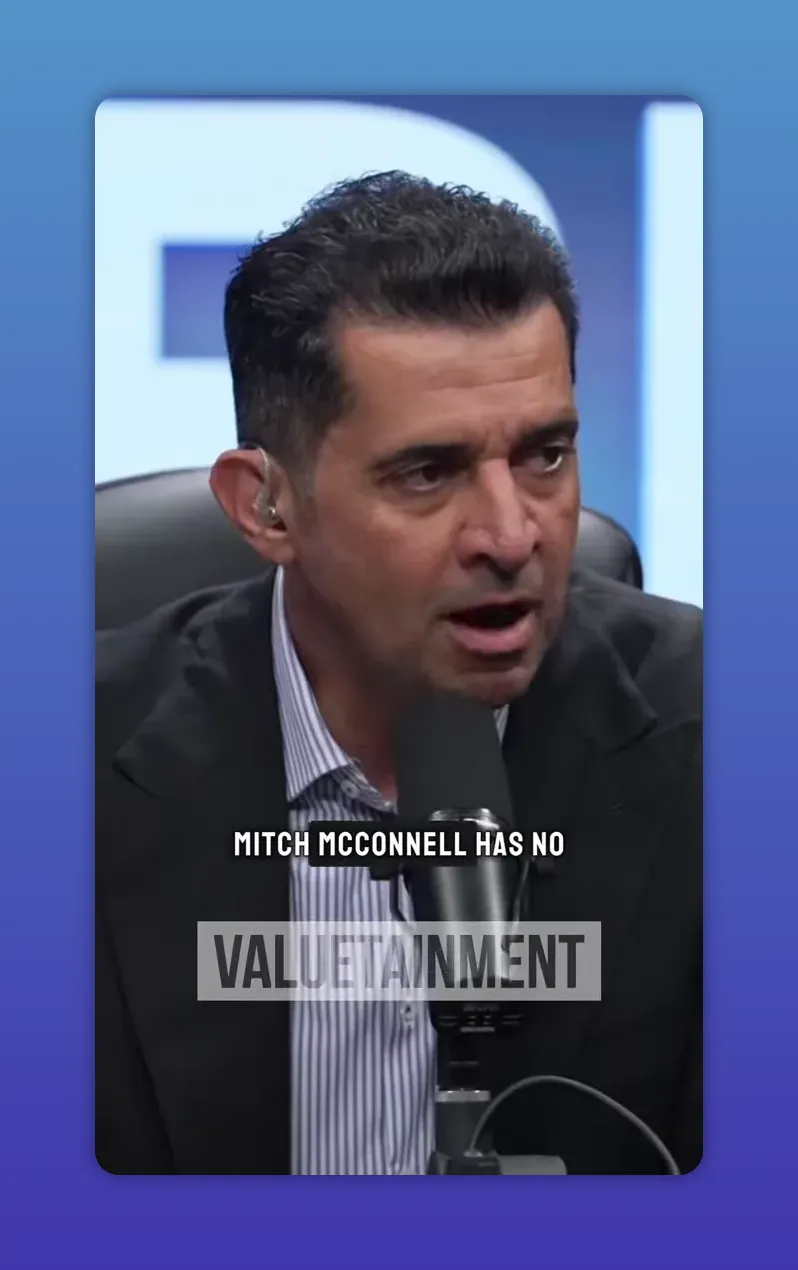
Patrick also points beyond Jill Biden to the wider circle around power: doctors, advisers, party insiders, and institutional handlers. His argument is that public concern is rarely limited to the face on camera. People also want to know who knew what, who allowed what, and who kept reinforcing the official story.
That is a useful framework for business communication too. When failure becomes visible, audiences rarely isolate blame to one spokesperson. They infer system failure. So your response strategy must account for the broader chain of responsibility.
Theme 4: Plain language beats overmanaged language
Patrick's tone is direct because directness signals confidence. Even when people disagree with him, they understand what he thinks immediately.
That matters in high-trust communication. Ambiguous language is often interpreted as political, evasive, or overly coached. Clear language creates a firmer base for engagement, debate, and follow-up content.
The lesson is not to be reckless. It is to avoid burying the point under careful but empty phrasing.
Theme 5: One clip can open a wider conversation
By the end of the segment, Patrick widens the lens to a broader question about aging leadership and public awareness. That is another hallmark of his style. He starts with one clip, then uses it to point at a larger pattern.
This is where a media accountability framework implementation becomes strategically useful. The clip is the hook. The bigger pattern is the durable content asset. If you build properly, one reaction can become an email sequence, a lead magnet, a poll, a landing page, a discussion post, and an analytics-backed content series.
Part 2: Here's how to implement each principle using GFunnel
You do not need a huge newsroom to apply this. You need a system that captures attention quickly, organizes your angle, automates distribution, and measures which framing actually lands.
GFunnel works well as the execution layer because the key tasks live in one place: funnels, forms, CRM, automation, analytics, and audience workflows. That makes a media accountability framework implementation much easier than stitching together separate tools.
You can also explore GFunnel's funnel builder, workflow automation tools, CRM capabilities, and the GFunnel platform homepage as you build.
Step 1: Build a rapid-response landing page (30-60 minutes)
What this means: Create a single page that frames the issue clearly and captures audience interest immediately.
Why Patrick emphasizes this: His style starts with a sharp thesis. He does not wander. He identifies the problem fast and gives people a reason to keep listening.
How to do it in GFunnel:
- Action 1.A: Create a commentary funnel.
- Navigate to: GFunnel Dashboard → Funnels → Create New Funnel.
- Expected result: A live page for your position, lead capture, or discussion prompt.
- Time required: 20-30 minutes.
Use a simple structure: headline, key clip summary, your analysis, and one clear action. That action might be subscribing for updates, joining a discussion thread, downloading a one-page breakdown, or submitting an opinion.
The key is speed. A media accountability framework implementation only works if you can publish before the narrative fully hardens. That is where an all-in-one platform helps. You are not waiting on developers or syncing multiple systems before hitting publish.
- Action 1.B: Add a lead form tied to your contact database.
- Navigate to: Funnel Page Editor → Forms → Add Form.
- Expected result: New contacts are captured automatically with source attribution.
- Time required: 10-15 minutes.
Tag contacts based on the topic, such as credibility, media trust, leadership, or political commentary. Later, those tags become your segmentation layer.
- Action 1.C: Duplicate the page as a reusable template.
- Navigate to: Funnels → Duplicate Funnel.
- Expected result: A repeatable asset for future fast-turn commentary.
- Time required: 5 minutes.
This is where rapid prototyping becomes practical. Instead of rebuilding each time, you create a publishing engine.
Step 2: Capture the narrative anchor and audience sentiment (45-75 minutes)
What this means: Identify the one moment driving discussion and build your content collection around it.
Why Patrick emphasizes this: He isolates the doctor remark because he understands that one memorable line often carries the entire controversy.
How to do it in GFunnel:
- Action 2.A: Create a poll or short intake form based on the core tension.
- Navigate to: GFunnel → Forms → New Form.
- Expected result: Structured audience input on the specific issue most likely to drive engagement.
- Time required: 15-20 minutes.
Ask focused questions, not broad ones. For example: Was the issue the original condition, the explanation, or the handling around it? That helps you validate which framing resonates most.
- Action 2.B: Route responses into segmented CRM pipelines.
- Navigate to: GFunnel → CRM → Smart Lists or Tags.
- Expected result: Audience segments based on viewpoint, interest level, or content preference.
- Time required: 15 minutes.
If someone selects interest in leadership accountability, send them follow-up content on institutional trust. If someone selects media analysis, send them breakdowns of interview technique and narrative framing.
- Action 2.C: Trigger automated follow-up based on the answer submitted.
- Navigate to: GFunnel → Automation → Workflows.
- Expected result: Customized email or SMS follow-up without manual sorting.
- Time required: 20-40 minutes.
This is where business automation meets commentary. You are no longer just publishing a hot take. You are learning what your audience believes and building future content from real signal.
Step 3: Turn the reaction into a multi-step content workflow (60-90 minutes)
What this means: Build an automated sequence that turns a single news moment into a sustained content arc.
Why Patrick emphasizes this: His broader style is to begin with one clip and expand into larger questions about institutions, judgment, and accountability.
How to do it in GFunnel:
- Action 3.A: Build a five-touch nurture sequence around the issue.
- Navigate to: GFunnel → Automation → Email Sequences.
- Expected result: New subscribers enter a structured follow-up path automatically.
- Time required: 45-60 minutes.
A practical sequence could look like this:
- Email 1: Your short breakdown of the controversy.
- Email 2: Why credibility gaps escalate faster than factual disputes.
- Email 3: A second example from business or media history.
- Email 4: A poll or invitation to discussion.
- Email 5: A longer-form editorial, live event, or premium analysis offer.
This is the difference between reactive posting and systematic publishing. You are extending the life of the topic while preserving momentum.
- Action 3.B: Attach a discussion destination.
- Navigate to: GFunnel → Discussions Home or Communities.
- Expected result: A central place for deeper engagement after the first click.
- Time required: 15-20 minutes.
If your brand thrives on conversation, route traffic into a discussion hub instead of letting everything die on social media. You can review GFunnel discussions or community features to support that flow.
- Action 3.C: Create a downloadable framework summary.
- Navigate to: Funnel Page → Assets or File Delivery workflow.
- Expected result: Lead magnet tied directly to the commentary topic.
- Time required: 20 minutes.
This also helps with validation. If people are willing to opt in for a more structured version of your analysis, you have evidence that the topic has depth beyond the initial reaction cycle.
Step 4: Track which framing actually works (30-60 minutes)
What this means: Use data to determine whether your audience responds more to credibility, media criticism, leadership concerns, or institutional accountability.
Why Patrick emphasizes this: His style may sound instinctive, but the deeper principle is precision. He picks the strongest pressure point and stays there.
How to do it in GFunnel:
- Action 4.A: Set up a content performance dashboard.
- Navigate to: GFunnel → Analytics → Custom Dashboard.
- Expected result: Real-time visibility into page visits, opt-ins, clicks, and conversions.
- Time required: 15-20 minutes.
Track at least these metrics:
- Landing page conversion rate.
- Email open and click rate by narrative angle.
- Poll completion rate.
- Discussion participation.
- Revenue from any paid follow-up offer.
This is where a media accountability framework implementation becomes operational instead of rhetorical. You can see what your audience responds to rather than assuming it.
- Action 4.B: Run an A/B test on your framing.
- Navigate to: GFunnel → Funnels → Split Test or Page Variation.
- Expected result: Clear evidence of which headline or angle produces stronger engagement.
- Time required: 20-30 minutes.
For example, test a headline framed around public trust against one framed around media handling. The winner tells you how to position the next piece.
- Action 4.C: Feed outcomes back into your CRM tags.
- Navigate to: GFunnel → CRM → Contact Records.
- Expected result: Richer segmentation for future campaigns.
- Time required: 10 minutes.
This is especially useful if you cover multiple types of issues and want to know which subscribers care about accountability analysis versus pure political commentary.
Step 5: Build a solo-operator media machine (60-120 minutes)
What this means: Make the whole system manageable even if you do not have a production team.
Why Patrick's style supports this: The strongest commentary often comes from clarity, not complexity. You do not need a bloated tool stack to respond well. You need speed, structure, and consistency.
How to do it in GFunnel:
- Action 5.A: Create a reusable SOP for future controversy response.
- Navigate to: GFunnel → Knowledge Base or Internal Docs area.
- Expected result: A repeatable checklist for every future news response.
- Time required: 30-45 minutes.
Your SOP should include: identify anchor clip, define thesis, publish landing page, launch poll, send sequence, review analytics after 24 hours, and update the next asset.
- Action 5.B: Build a project template for multiple topics.
- Navigate to: GFunnel → Funnels → Duplicate, Automation → Clone Workflow.
- Expected result: Faster launch across multiple issues or brands.
- Time required: 20-30 minutes.
This supports multiple projects without multiplying operational drag. One week it may be political media. Another week it may be a business scandal, creator controversy, or leadership crisis.
- Action 5.C: Connect monetization only after message-market fit is visible.
- Navigate to: GFunnel → Payments or Offer Setup.
- Expected result: Paid editorial products, private briefings, or subscription offers launched after demand is validated.
- Time required: 20-30 minutes.
This is important. Validation comes before expansion. If the content angle does not earn meaningful engagement, do not force a product. If it does, then a paid newsletter, member discussion, or premium breakdown becomes reasonable.
| Category | Traditional Approach | Patrick's Method with GFunnel |
|---|---|---|
| Time to ship | Slow publishing across scattered tools and manual approvals | Rapid funnel deployment with reusable templates and fast edits |
| Tool stack cost | Separate landing page, email, CRM, analytics, and community software | One integrated environment inside GFunnel |
| Revenue validation | Hard to test whether a topic can support a paid asset | Launch fast, collect opt-ins, and validate demand before building offers |
| Iteration speed | Feedback arrives late and is hard to connect | Real-time dashboard data enables quick message adjustments |
| Solo operation capability | Requires multiple logins and heavy manual coordination | One builder can run capture, automation, CRM, and follow-up from one platform |
"I turned one high-interest media story into a landing page, segmented email sequence, and member discussion in two days with GFunnel. That gave me real audience signal before I built anything bigger."
If you want additional context on how public trust shapes institutional response, the Pew Research Center frequently publishes useful data on trust, politics, and media. For broader commentary and business context, you can also explore the PBD Podcast channel.
Part 3: Key Takeaways and Next Steps
What this framework really teaches
- Credibility breaks when explanations feel weaker than the visible problem.
- The most replayed line usually defines the public narrative more than the full interview does.
- Strong commentary isolates the pressure point fast instead of drowning in side arguments.
- Institutional trust questions rarely stop with one spokesperson; people look for the wider chain of responsibility.
- Speed matters, but structure matters more. Fast publishing without capture, segmentation, and analytics wastes attention.
- A clean media accountability framework implementation turns controversy into a repeatable content and business asset.
Your action plan for this week
- Pick one current issue where public trust, media framing, or leadership credibility is being questioned.
- Identify the one quote or clip most likely to define the narrative.
- Build a GFunnel landing page with a clear thesis and one lead capture action.
- Create a short poll and tag contacts by their response angle.
- Launch a five-touch follow-up sequence and review analytics after the first 24 to 72 hours.
That is enough to move from scattered reaction to disciplined execution.
Why GFunnel makes this easier
The real value of GFunnel here is not that it magically creates insight. It is that it reduces operational friction. When funnels, CRM, automation, analytics, and audience engagement are connected, your commentary becomes testable.
That is the difference between posting and building. A media accountability framework implementation needs infrastructure. GFunnel gives you a practical way to ship fast, learn quickly, and reuse what works.
If you want an affordable all-in-one platform for this kind of workflow, review Start building with GFunnel and use the platform as your execution layer rather than managing disconnected tools.
You do not need to overcomplicate this. Start with one issue, one page, one sequence, and one dashboard. Then improve from real data.
Frequently Asked Questions
How does GFunnel help implement Patrick Bet-David's media accountability framework?
GFunnel gives you the core infrastructure to publish quickly, capture leads, automate follow-up, and measure which narrative angle works best. Instead of handling landing pages, email, CRM, and analytics in separate tools, you can run the entire media accountability framework implementation from one platform.
Do I need a team to use this method with GFunnel?
No. This method is well suited to a solo operator or small editorial team. Because GFunnel combines funnel building, automation, and audience management, one person can launch and manage the system without a large production setup.
How long does it take to implement this approach using GFunnel?
You can build a first-pass media accountability framework implementation in a single day if you keep it simple: one landing page, one form, one poll, and one short email sequence. A more polished version with segmentation, workflow branches, and analytics dashboards can be completed over several days.
What makes GFunnel better than using separate tools for these strategies?
The biggest advantages are speed, simplicity, and connected data. Separate tools slow down rapid prototyping and make it harder to understand the full path from first click to deeper engagement or revenue validation.
Can I use GFunnel if I'm already using another email or funnel tool?
Yes. Many operators start by running one campaign or one topic workflow inside GFunnel first. Once the process proves easier and the analytics are clearer, they expand the rest of their operation into the same system.


