
Primary keyphrase: business automation tools
Managing people and systems is the single highest-leverage skill you can build as an entrepreneur. Whether you’re hiring your first assistant or scaling a team of 100, the ability to get other people to do the work that matters will determine how fast you grow and how long you stay sane.
This article gives a practical, no-nonsense framework for managing people, reducing ambiguity, and creating repeatable systems. It pairs those management fundamentals with how an all-in-one platform like GFunnel can remove blockers, automate reinforcement, and turn messy processes into predictable outcomes.

Table of contents
- The Management Diamond: five reasons people don’t follow through
- The entrepreneurial problem: why tools alone don’t fix process
- How GFunnel solves those problems (Lead Connector, Flows AI, AI contracts, website builder, CRM)
- Practical training, checklists, and debundling soft skills into observable behaviors
- Case studies and examples you can copy
- Deep dive into GFunnel features — screenshots and feature map
- FAQs
- Conclusion and next steps
The Management Diamond: five reasons someone didn’t do what you asked
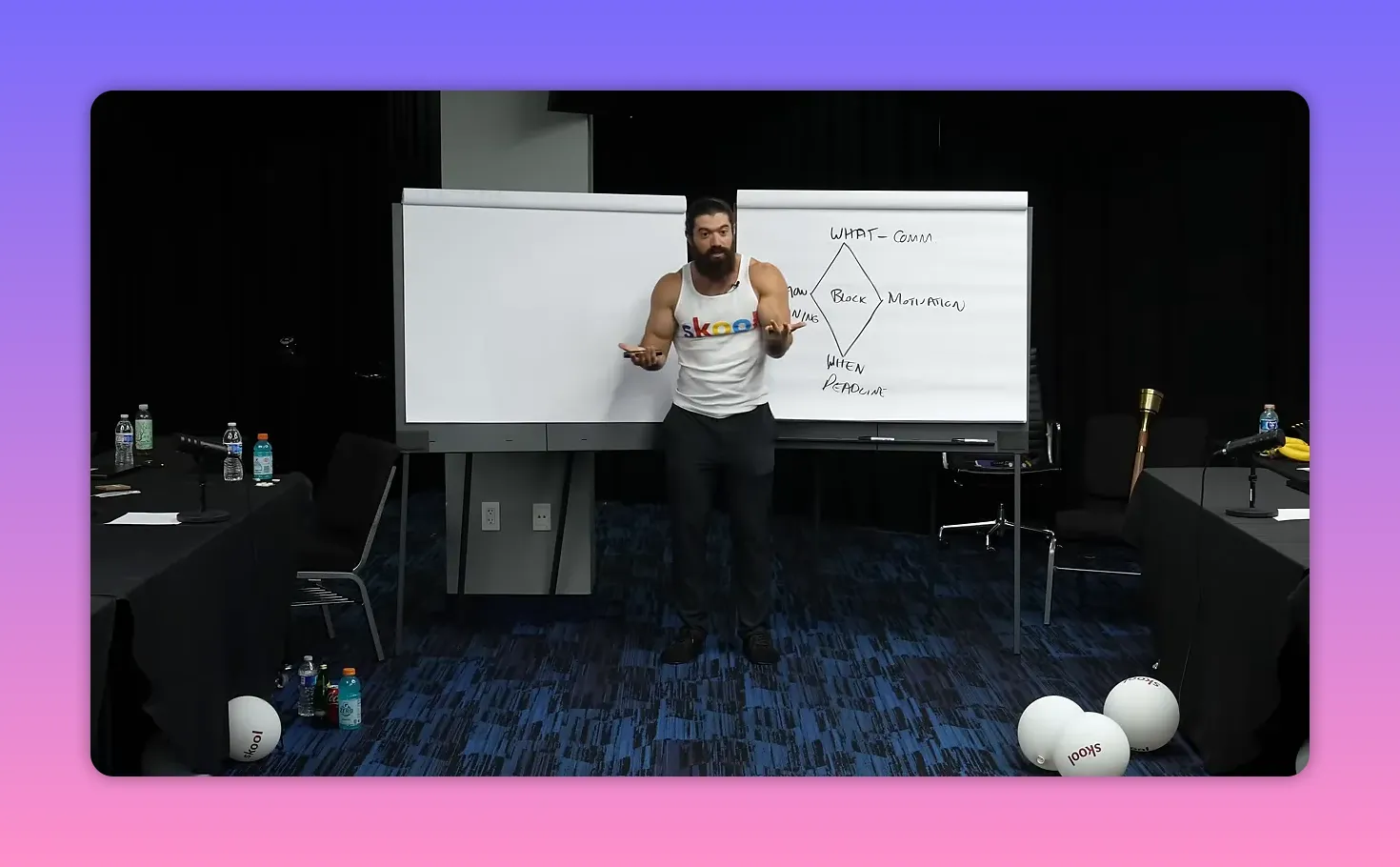
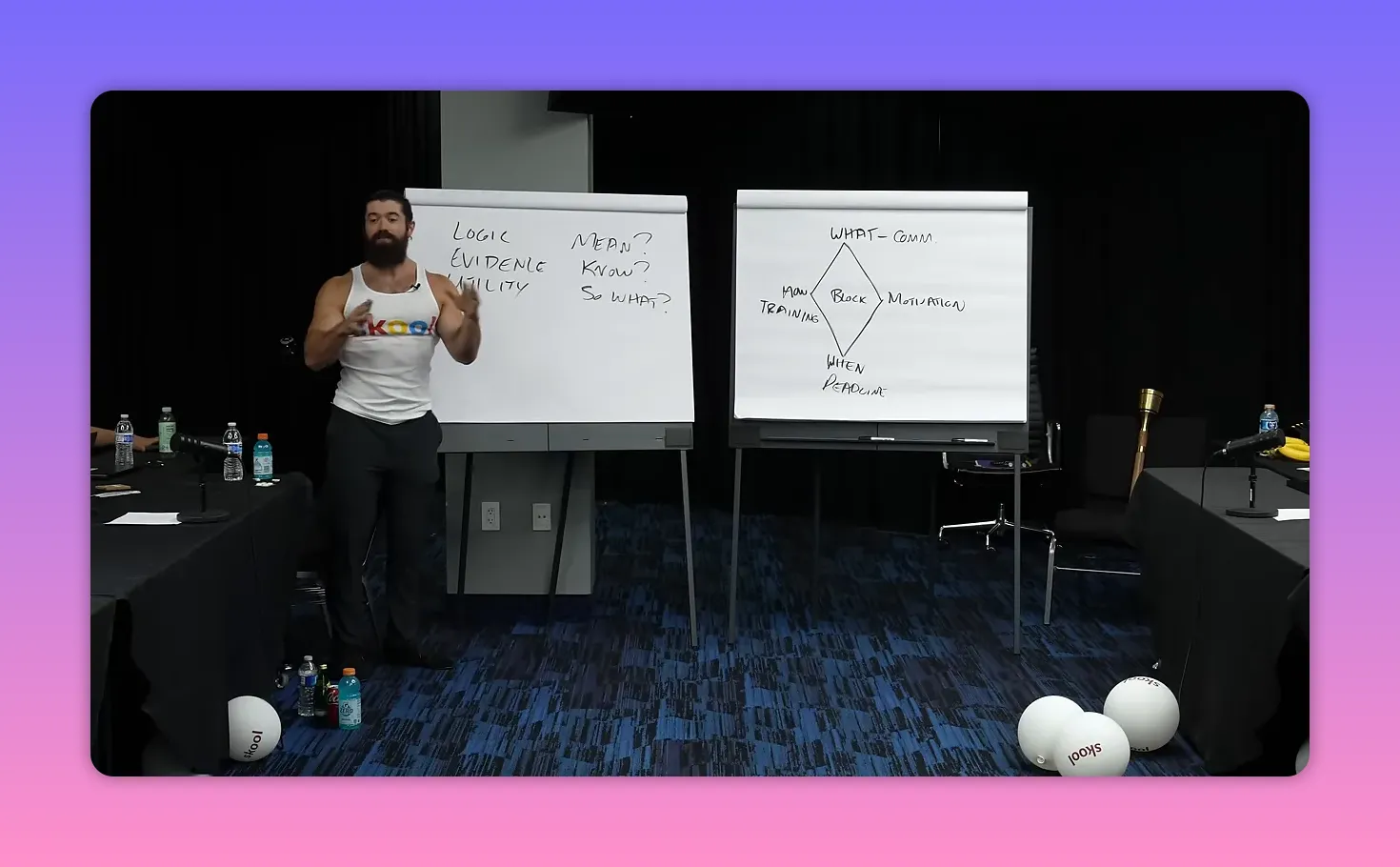
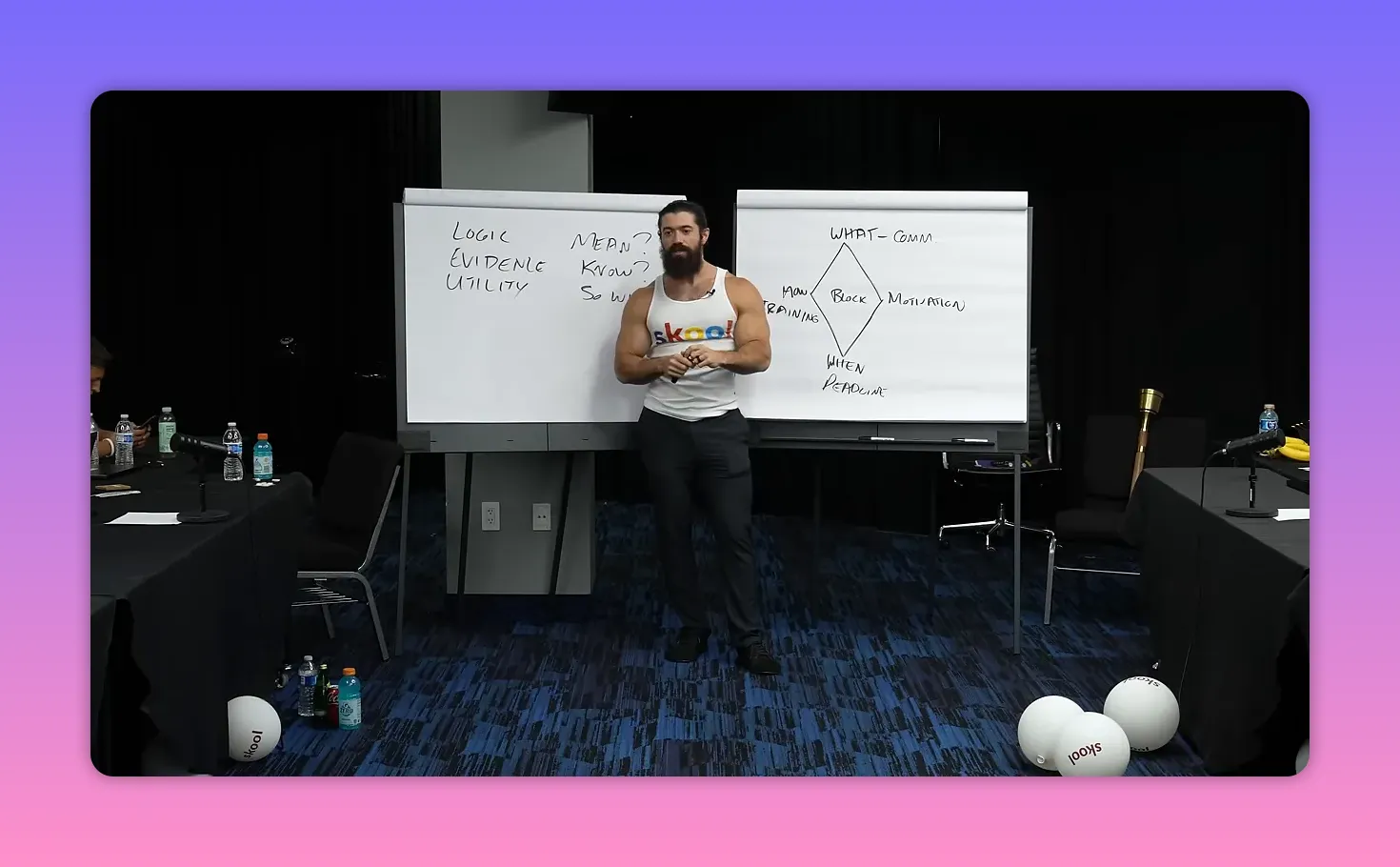
When a task goes undone, stop complaining and diagnose. There are only five reasons someone didn’t do it. If you can run through these five quickly, your conversations get less emotional and more productive.
- They didn’t know what you wanted.
- They didn’t know how to do it.
- They didn’t know when you wanted it (no deadline).
- They weren’t motivated or weren’t given a clear reinforcer.
- They were blocked by some external impediment.
Say the words out loud in a corrective conversation: “I asked you for X and it didn’t happen. Help me understand — was it that you didn’t know what I wanted, didn’t know how, didn’t have a deadline, weren’t motivated, or were blocked by something?”
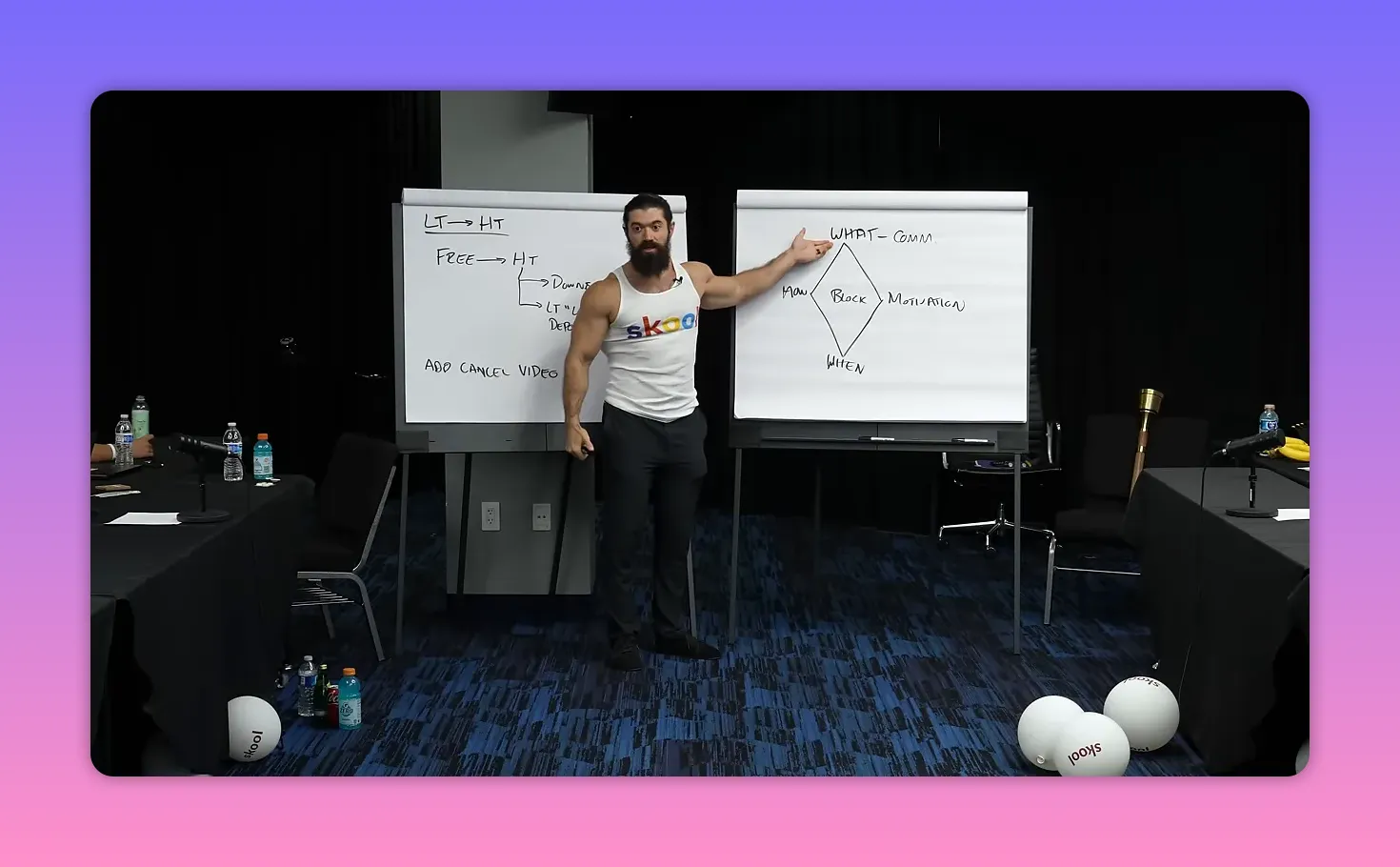
Each answer tells you the exact lever to pull. If they didn’t know what you wanted, communicate. If they didn’t know how, train. No deadline? Assign one. Not motivated? Give them a relevant reinforcer. Blocked? Remove the impediment — sometimes that’s as simple as fixing an internet upload speed.
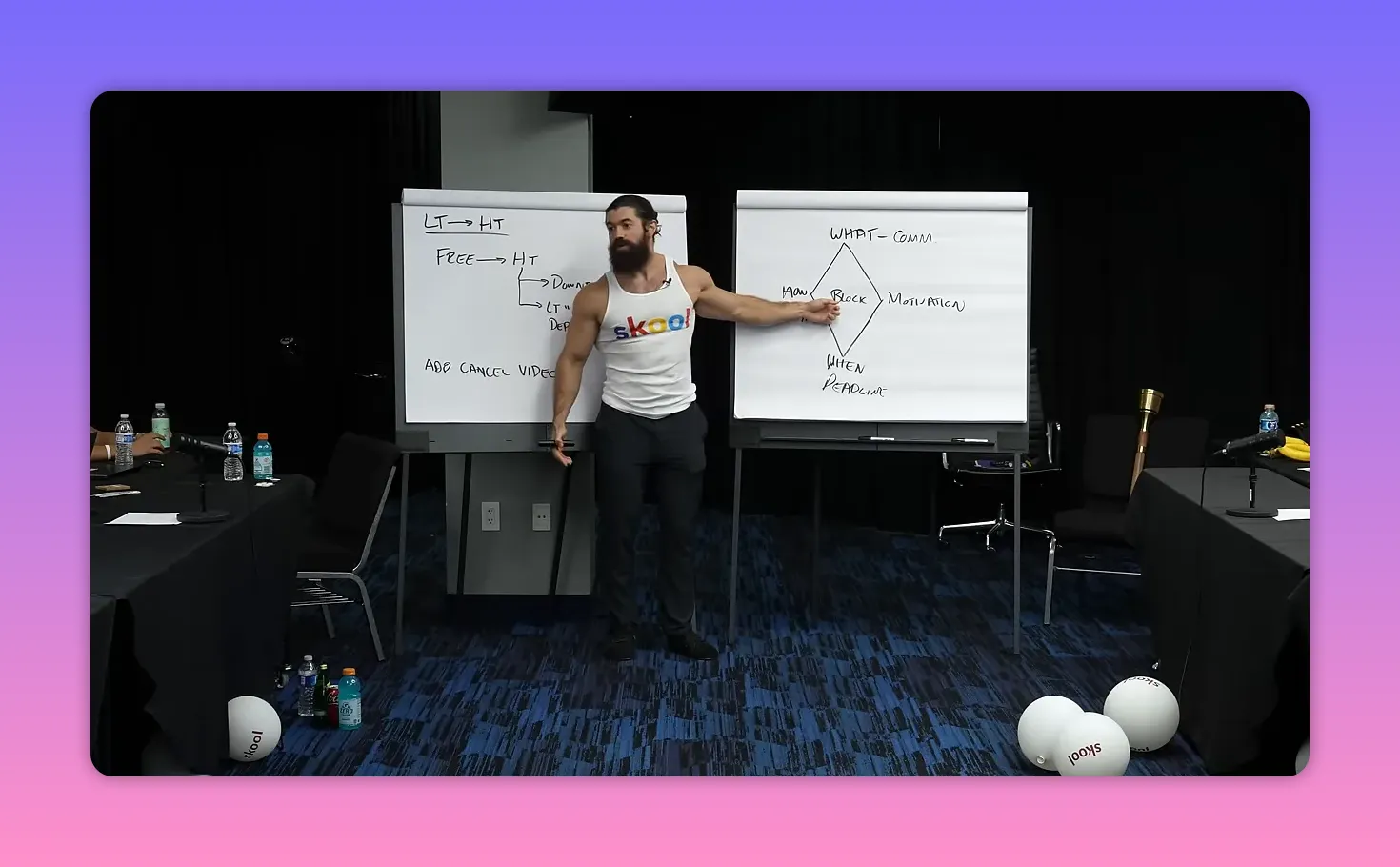
When you run into multiple causes, you must fix multiple things. The task rarely fails because of a single missing element. And if handing a task off makes it worse, you didn’t delegate — you advocated. Delegation requires clarity, systems, and follow-up.
The entrepreneurial problem: tools don’t equal systems
Most entrepreneurs buy more software and expect the business to fix itself. It doesn’t. Tools without a clear system are expensive toys. The difference between a founder who struggles and one who scales is not the number of apps they own — it’s how they map process, remove blockers, and create reinforcement loops that produce desired behavior.
Think of skills, not labels. “Be patient” or “be charismatic” is useless instruction. Break it down. Patience is selecting what to do in the meantime. Charisma is a bundle of observable actions: varied vocal range, strategic pauses, looking people in the eye, using names, nodding while they speak.
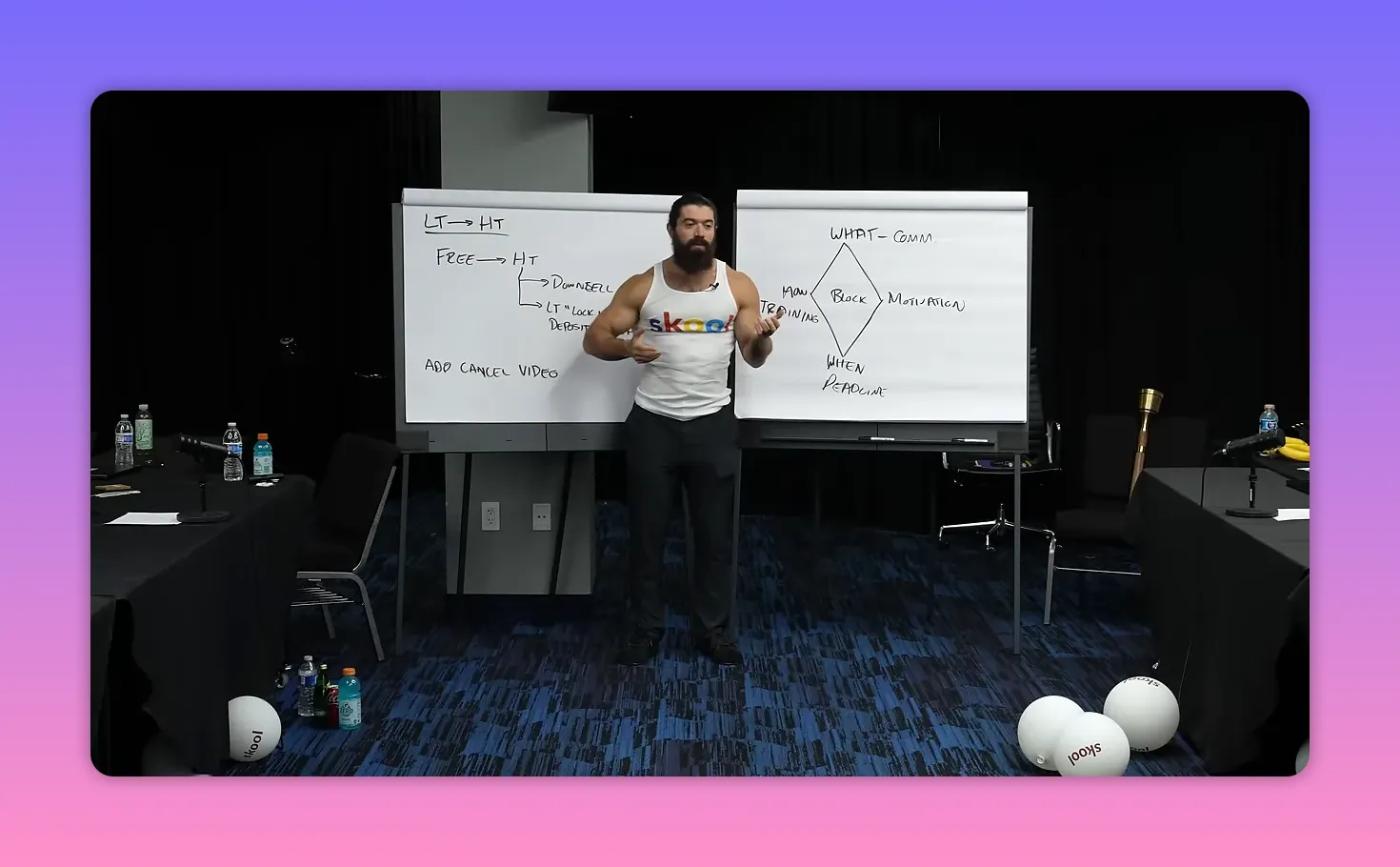
When you train, unbundle the jargon into observable behaviors. When you give feedback, make it specific and actionable. Replace vague moral critiques with a checklist of tasks and habits.
How GFunnel solves the five failure modes
GFunnel is an all-in-one entrepreneur ecosystem built to remove the friction between instruction and execution. Below is how its core tools map directly to the Management Diamond and the execution problems founders face.
Lead Connector: clarity and centralization
Problem solved: “They didn’t know what you wanted” and “You can’t delegate because everything lives in your head.”
Lead Connector provides a centralized CRM, lead staging, and page builder. Instead of telling someone “follow up with leads,” you build the sequence inside Lead Connector, assign tasks, and offload the need for 100% verbal retention. The expectation is documented and visible.
Benefits:
- All lead activity in one place means less “I forgot” and more accountability.
- Drag-and-drop funnels and pages make it fast to produce customer-facing assets without developer time.
- Real-time analytics transform vague claims into observable behaviors: who opened, who clicked, who booked.
When something’s visible it becomes objective. If two reps follow the same script and one converts at 50% and the other at 10%, the data shows where to pivot — script, training, or selection.
Flows AI: create fast reinforcement loops
Problem solved: “They weren’t motivated” and “Long feedback loops kill training.”
Motivation is about what happens after someone acts. Sales and creative work have tight feedback loops; many roles don’t. Flows AI automates follow-ups, triggers praise, and creates visible progress markers that provide instant reinforcement.
Use cases:
- Automated onboarding sequences that congratulate users when they finish a step — immediate positive reinforcement.
- Task reminders and micro-feedback nodes so contributors see progress and get rewarded in tangible ways.
- AI-driven responses that keep prospects engaged without manual intervention.
If the behavior you want lacks a natural reward, build one into the workflow. Flows AI lets you do that at scale.
AI-powered contract management: remove blockers and reduce risk
Problem solved: “Something’s blocking them” and “scaling requires operational speed.”
Waiting on legal signatures, hunting down redlines, and managing versions are classic blockers. An AI-powered contract system automates templates, sends reminders, and reduces friction so deals — and internal approvals — flow faster.
When you unstick the legal and administrative friction, work moves forward. That’s the difference between asking someone to close a deal and giving them a clear path to close it.
Website builders and lightning-fast pages
Problem solved: “They didn’t know how to do it” and “you don’t have time to train for every simple asset.”
No-code page builders let even low-skill team members produce conversion-ready pages with templates that follow best practices. Less back-and-forth with designers means shorter deadlines and fewer excuses.
CRM solutions and data-driven management
Problem solved: “You can’t measure what matters.”
Data is the language of reliable management. GFunnel’s CRM centralizes customer history so managers can focus on behaviors, not mood. When you replace labels like “motivated” with measurable actions, coaching gets easier and outcomes improve.
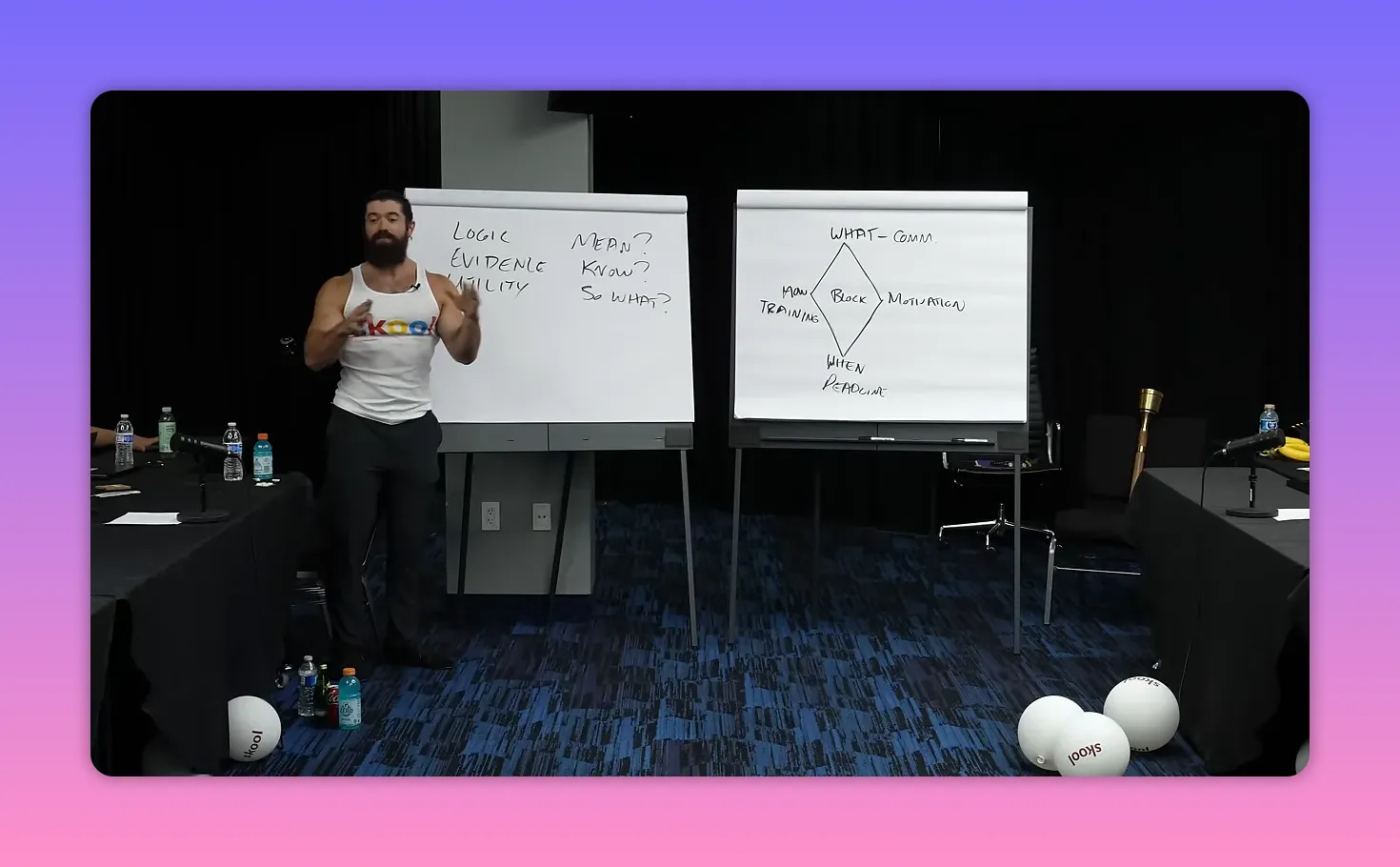
Watch how GFunnel transforms businesses in this 3-hour deep dive.
Training people: the checklist, not the platitude
Training fails when instruction is vague or assumes skill. The fix is simple and rigorous: de-bundle soft skills, document the steps, test, and iterate.
Step 1: build a checklist of observable behaviors
Example onboarding checklist for a client call:
- Greet the client by name within the first 10 seconds.
- Confirm the meeting objective within 60 seconds.
- Reference a past note or personal detail to build rapport.
- Summarize next steps and assign ownership aloud.
- Record the call and upload to the CRM within 24 hours.
When you score two employees against the same checklist, you can either improve the person or fix the checklist. If a person follows the checklist and underperforms, the checklist is incomplete.
Step 2: give immediate, task-based feedback
Replace “stop being a dick” with “stop doing X, Y, Z.” Don’t moralize. Be specific. If someone interrupts or uses hostile language, show the exact moments and ask them to replace the behavior with a specific alternative.
Step 3: create tighter feedback loops with automation
Use Flows AI and Lead Connector to give contributors instant indicators of performance. That could be a weekly scorecard, a tap in Slack for wins, or scheduled recognition for tasks completed on time.
Motivation is observed behavior, not feelings
People ask to be motivated. Most don’t know how to define motivation. As a manager, you don’t need their feelings — you need actions you can reinforce.
Motivation equals reinforcement. Either people pursue rewards or avoid punishments. Money is a generalized reinforcer, but it isn’t always the most motivating thing for each person. Find the reinforcers that matter for each team member: praise, ownership, creative control, titles, time off, or direct financial incentives.
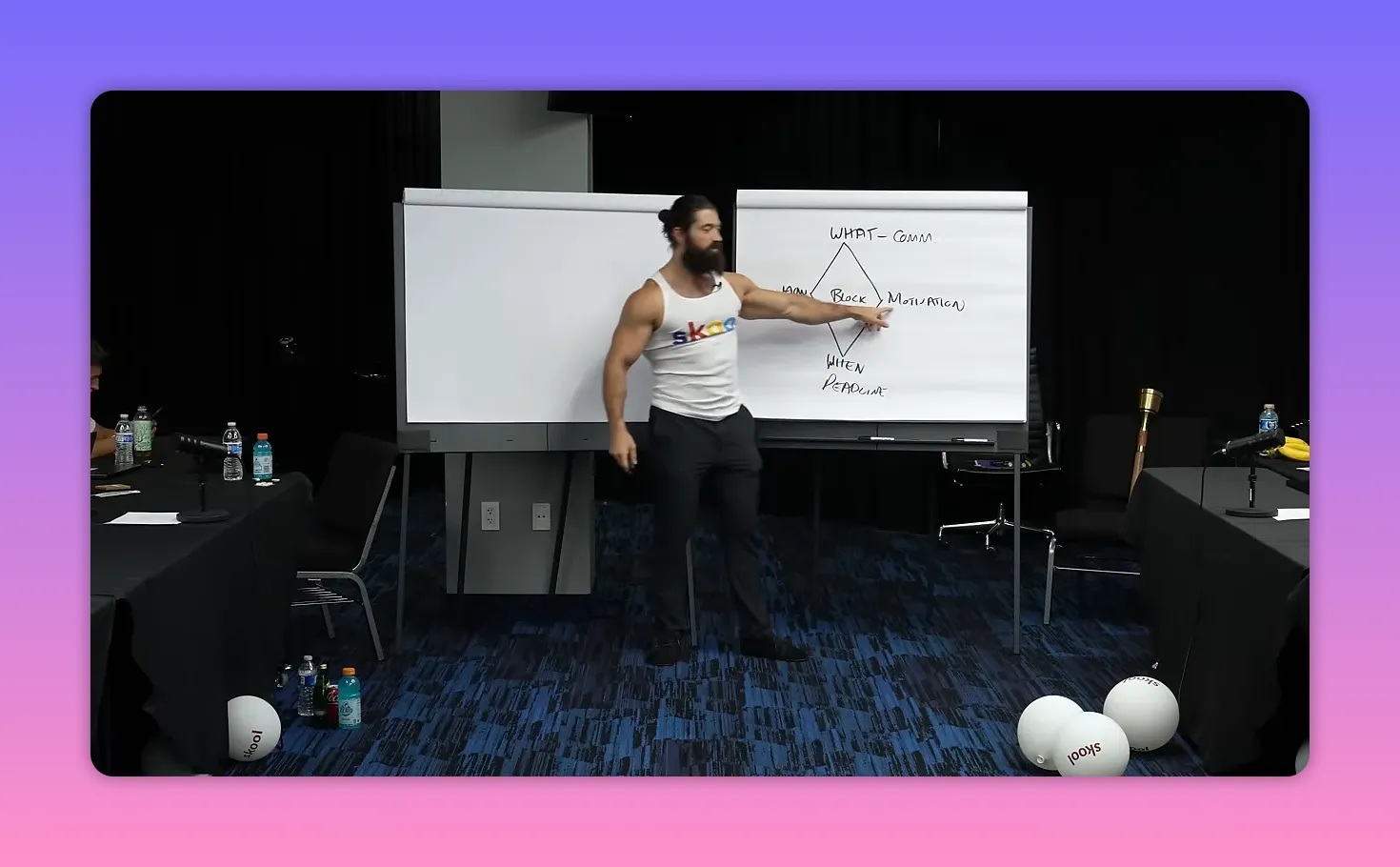
Once you identify a reinforcer, automate it into the workflow. If praise is motivating, build automated kudos into Flows AI or schedule manager check-ins that deliver praise aligned with objective outcomes.
Applying Hormozi’s strategy: make offers and systems irresistible
Alex Hormozi’s core business lesson is simple: the degree of a client’s pain correlates with the price you can charge. Apply the same logic to your internal operations: the clearer and more painful a bottleneck, the more urgently you should remove it.
Two tactical takeaways for founders:
- Create irresistible internal offers. If you want X behavior, make the outcome of doing X materially better for the employee. Tie promotions, clear KPIs, or bonuses to observable tasks.
- Scale with simplicity. Don’t layer complexity into processes. If it takes ten steps to onboard a client, simplify to three and automate the rest.
Case studies and examples you can copy
1) The editing team with slow uploads
Situation: Editors were editing at home because uploading at the office took too long.
Diagnosis: Not a motivation issue, not a training problem — a blocker.
Fix: Address the upload speed. Invested in infrastructure and they now edit in the building. Result: faster turnarounds and more collaboration.
2) The high-potential teammate labeled “a dick”
Situation: A talented team member had interpersonal issues. Leaders had told him to “be nicer,” but behavior didn’t change.
Diagnosis: Feedback was vague and bundled into the label “dick.”
Fix: De-bundled the label into 4–6 observable behaviors to stop and 4–6 to start. Gave a clear checklist and monthly feedback. Within a month, the interpersonal ratings improved materially.
Lesson: Don’t insult to change behavior. Give specific tasks to change observable outcomes.
3) Sales process transformed by Lead Connector
Situation: Follow-up was inconsistent and leads leaked.
Diagnosis: No centralized owner, no clear next steps, and long feedback loop.
Fix: Moved lead flow into Lead Connector, implemented automated nurture via Flows AI, and created a daily owner dashboard. Result: conversion rates rose and manager visibility improved.
Deep dive: GFunnel features mapped to outcomes
Use these feature-action pairings to design systems that scale.
Lead Connector — feature highlights
- Unified lead inbox and timeline — removes the “I forgot” excuse.
- Task assignment and deadlines — eliminates “when did you want it?”
- Pipeline stages with analytics — converts abstract ideas into numbers.
Flows AI — feature highlights
- Automated multi-channel follow-ups — shortens the feedback loop.
- Conditional flows that trigger praise or escalation — builds reinforcement.
- Templates for onboarding, qualification, and NPS follow-up — speeds training.
AI-powered contract management — feature highlights
- Contract templates and version control — fewer blockers to closing.
- Automated reminders and e-signature workflows — less admin drag.
- Risk-reduction via standardized clauses — lets you make stronger guarantees.
Website builder and landing pages — feature highlights
- No-code templates that are conversion-optimized — reduces reliance on designers.
- Lightning-fast page load speeds — reduces bounce and increases conversion.
- Integrated analytics and lead capture — immediate data to improve offers.
CRM solutions — feature highlights
- Customer timeline and unified history — observable behaviors, not labels.
- Scorecards and leaderboards — create public reinforcement for desirable actions.
- Segmentation and personalization — deliver the right reinforcer to the right person.
How to put this into practice in the next 30 days
- Pick one repeatable process that currently leaks time or conversions (e.g., lead follow-up, onboarding, contract signing).
- Run the Management Diamond on that process: what’s unknown, what’s unlearned, what’s undated, what’s unmotivated, and what’s blocked?
- Create a 5–11 item checklist that unbundles the behaviors needed to execute the process end-to-end.
- Automate the reinforcement using Flows AI — a “you did X, here’s your reward” or “you missed X, here’s the next action” flow.
- Measure daily with Lead Connector and iterate weekly.
If you want a practical platform to execute these steps, create an account at GFunnel: https://www.gfunnel.com
Relevant GFunnel pages to explore
- GFunnel home: https://www.gfunnel.com
- Automation tools: https://www.gfunnel.com/automation-home
- Lead Connector and CRM overview: https://www.gfunnel.com/crm
- Become an affiliate (earn while you build): https://www.gfunnel.com/affiliate-home
- Create an account and get started: https://www.gfunnel.com/create-account
Frequently asked questions
What is Lead Connector?
Lead Connector is GFunnel’s integrated CRM and funnel builder. It centralizes lead data, assigns tasks, and tracks pipeline stages so managers can replace vague directives with measurable actions.
How does Flows AI save time?
Flows AI automates multi-step workflows, follow-ups, and reinforcement triggers. It shortens feedback loops by delivering immediate responses and built-in rewards for completed behaviors.
How does AI-powered contract management work?
AI contract management uses templates, version control, and automated reminders to reduce manual legal friction. It speeds up closing and removes a common blocker to execution.
Is GFunnel free to start?
GFunnel offers entry-level access and free account creation at https://www.gfunnel.com/create-account. Explore the platform and decide which features you need before scaling up.
Can GFunnel help me delegate better?
Yes. By making process observable, automating reinforcement, and centralizing tasks, GFunnel reduces the cognitive load required to delegate and scale. The platform turns subjective goals into checklists and measurable outcomes.
Conclusion
"The single most valuable skill set you can have is getting other people to do things for you."
If you want to grow beyond your own two hands, you must become a better manager of people and systems. That requires clear expectations, specific training, fast reinforcement, and removing friction. Build checklists, automate feedback, and measure observable behavior. Offer incentives that matter to people, and remove blockers that keep work stuck.
GFunnel’s all-in-one tools — Lead Connector, Flows AI, AI contract management, the website builder, and CRM — were built to make those exact steps easier. They let you turn vague commands into documented systems, slow processes into automated flows, and guesswork into data.
Start by choosing one leaking process, map it with the Management Diamond, create a checklist, and automate the reinforcement. Then measure, iterate, and scale. If you want the platform that puts those systems under one roof, get started at https://www.gfunnel.com
Meta description: Discover how GFunnel’s business automation tools and Hormozi-inspired strategies transform how you manage people and scale. Start free today!


