
Introduction
Overwhelmed by juggling suppliers, marketing channels, and a long list of tools just to keep your business alive? I get it. I’ve spent decades building and advising companies, and one thing is crystal clear: the right systems and mindset change everything. Henry, co-founder of Salt, launched a hydration brand from his kitchen with lean capital, documented the process, and grew to six figures in months. His story illustrates core entrepreneurial truths: brand-first thinking, ruthless execution, smart partnerships, and the value of automation.
That’s why I want to walk you through how to channel that energy into a streamlined, modern stack. GFunnel is an all-in-one ecosystem built for entrepreneurs who want to automate lead capture, deliver irresistible offers, and scale without juggling ten different apps. In this article I break down Henry’s journey, translate his lessons into practical systems, and map those lessons onto GFunnel’s tools—Lead Connector, Flows AI, AI-powered contract management, no-code website builders, and CRM features—to give you a clear pathway to building a business that scales.
Primary keyphrase: business automation tools
Table of Contents
- The Entrepreneurial Challenge: What Really Breaks Early Brands
- GFunnel’s All-in-One Solution and How It Maps to Real Problems
- Case Study: Henry and Salt — How Brand, Scarcity, and Data Created Momentum
- Deep Dive Into Features: Lead Connector, Flows AI, Contracts, Website Builder, CRM
- Scaling Strategies: Cash Flow, Retail Timing, and International Expansion
- FAQs
- Conclusion and Next Steps
The Entrepreneurial Challenge: What Really Breaks Early Brands
When founders start, the list of problems is long but the solution set is short. The most common pain points I see are:
- Too many disconnected tools. You’ve got Shopify, an email provider, spreadsheets, ad accounts, and a WhatsApp thread for orders. Each piece adds friction, data loss, and decisions that slow growth.
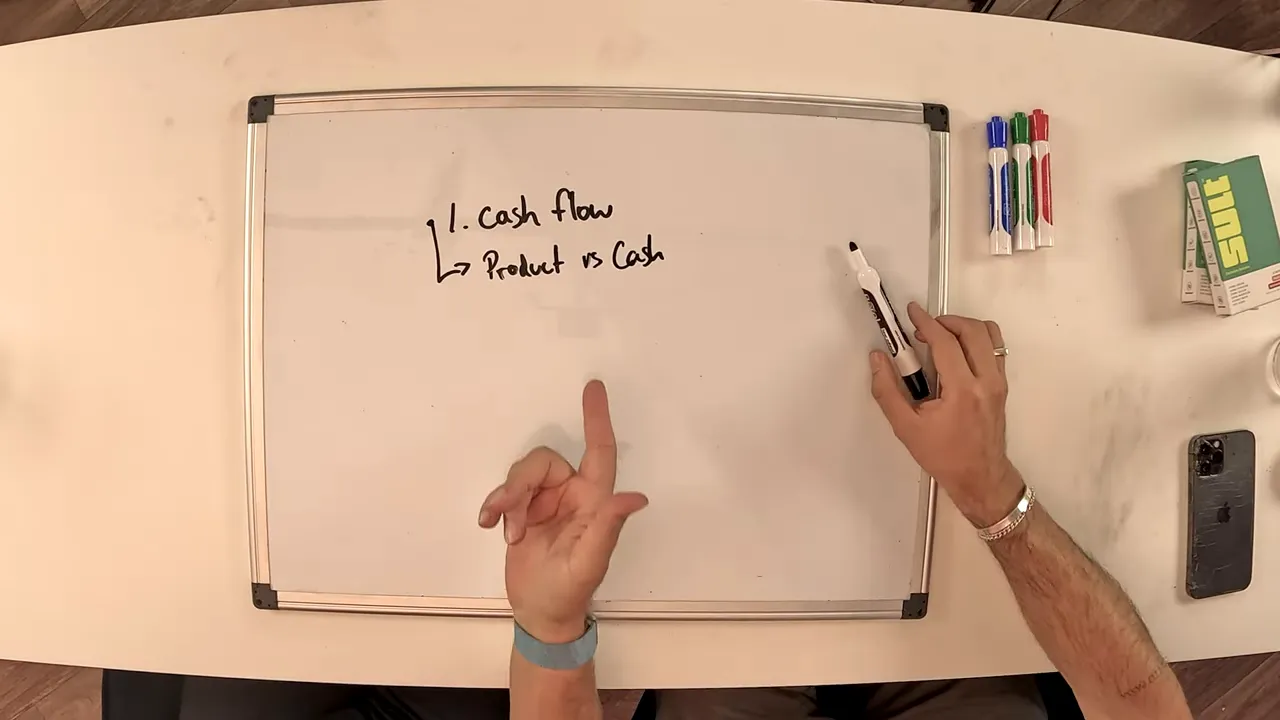
- Poor cash flow planning. Product businesses are product-versus-cash machines. You pay the supplier up front, wait for manufacturing, then wait again for sales. Without a system to bridge that gap you stall.
- No clear brand story. Product alone rarely wins—brands do. If you can make a product look and feel different and tell a simple story, you have leverage.
- Wrong advisors and noisy feedback. When you start asking everyone what they think, you get conflicting advice. Too often founders accept safety-first advice from people who never took big risks themselves.
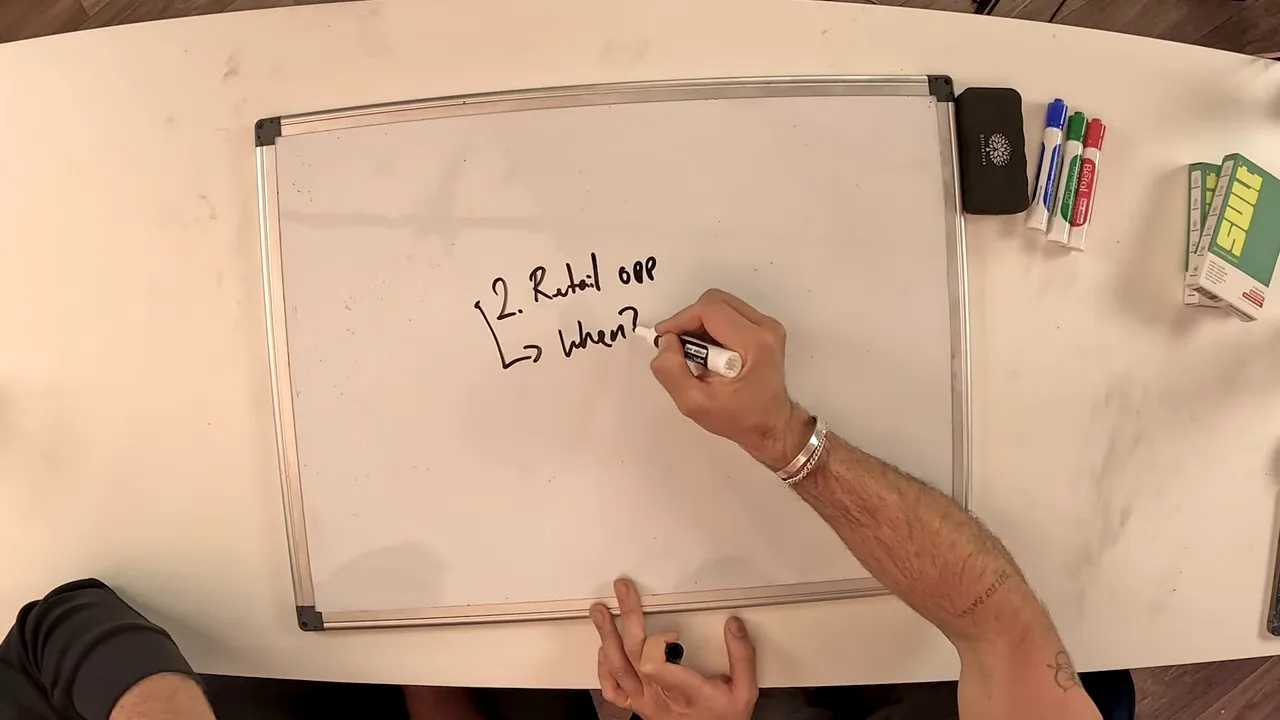
- Premature retail. Retail can be glamorous, but it is cash flow negative and unforgiving on rate of sale. Many brands went into retail too early and paid the price.
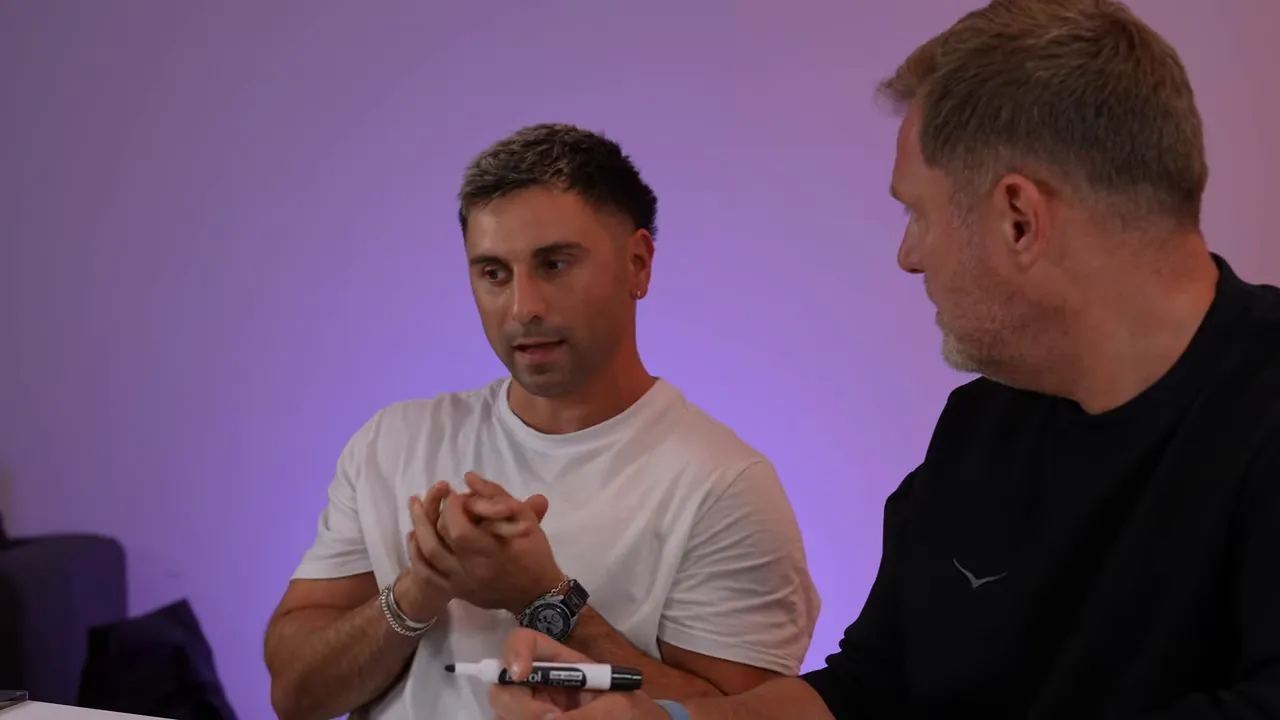
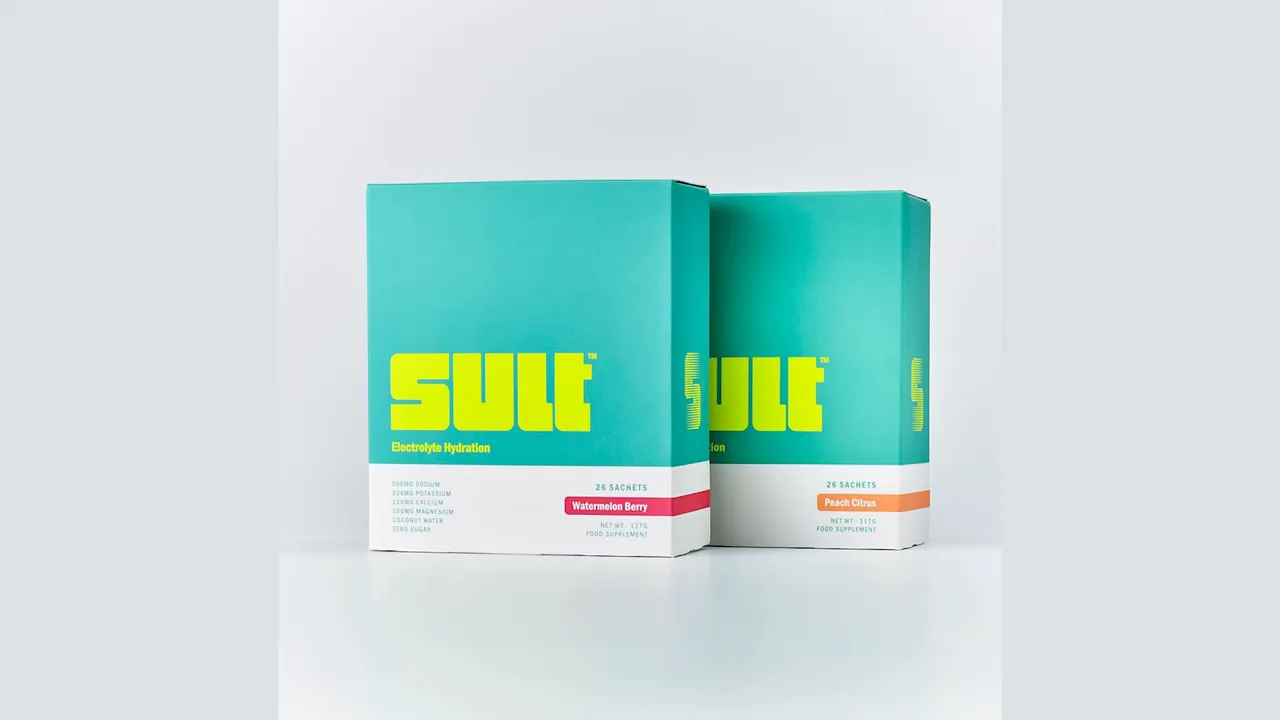
Henry’s experience highlights these pain points. He and a co-founder launched lean (about 17,000 British pounds) and built a waiting list of 15,000 people before launch. He sold 15,000 pounds in two hours on day one. But rapid demand brings the supply-side problem: how do you fulfill, restock, and scale predictably without losing equity or agility?
Why solving these problems matters
The degree of the customer’s pain determines the price you can charge and the speed of adoption. If your systems are clumsy, you waste momentum. If your brand is clear and your automation converts leads into buyers, you convert scarcity into sustained demand. That is where business automation tools come in.
GFunnel’s All-in-One Solution: How the Tools Solve Real Problems
Rather than stacking a dozen apps and paying for integration, GFunnel gives you an integrated set of tools designed to remove friction at every stage of the customer journey. Here’s how each core tool maps to a real business need:
Lead Connector: One place for leads, data, and conversion
Lead Connector combines a CRM, lead capture, messaging, and analytics. When you have a waiting list of 15,000 people, you need a system to segment high-intent prospects, automate follow-ups, and measure which channels actually convert.
- Capture: One page builder to capture emails, optimize conversions, and run A/B tests without code.
- Automation: Trigger sequences based on behavior so your hottest leads get a time-limited offer or restock alert.
- Data: See which creative and channel drives the best repeat purchase rate so you spend ad dollars smarter.

Flows AI: Automate communication and scale personal touch
Henry documented the build in public and engaged an audience through authentic storytelling. But when your audience grows, you need automated flows that feel personal.
- Behavioral flows that send messages based on actions (cart abandon, wishlist, purchase frequency).
- AI-generated copy templates for emails and SMS, tuned to your brand voice so you stay consistent while saving hours.
- Multichannel orchestration so your messages hit email, SMS, or social DMs at the right time.
AI-powered contract management: Reduce risk, close faster
If you plan to work with retail, distributors, or partners, contracts are inevitable. GFunnel’s AI contracts simplify negotiation, reduce legal bottlenecks, and automate signatures—so you can capture opportunities without getting bogged down.
No-code website builders and CRM: Launch quickly and own your data
Henry built a Shopify store fast. You can do the same—and go further—by using a no-code page builder that includes CRM hooks, conversion analytics, and built-in SEO. Instead of scattering data across platforms, you keep the customer history in one place and optimize offers based on real behavior.
Watch how GFunnel transforms businesses in this deep dive
Case Study: Henry and Salt — Brand, Scarcity, and Data
Henry’s playbook is instructive and bluntly simple. Here are the moves that created momentum and how you can replicate them with automation.
1. Think brand first
Henry trademarked the name and built a story about choosing balance over hustle. That made Salt more than a product; it became a feeling and a community. Brand-first decisions make every later touchpoint easier—packaging, tone, influencer partnerships, and pricing.
2. Build an audience before selling
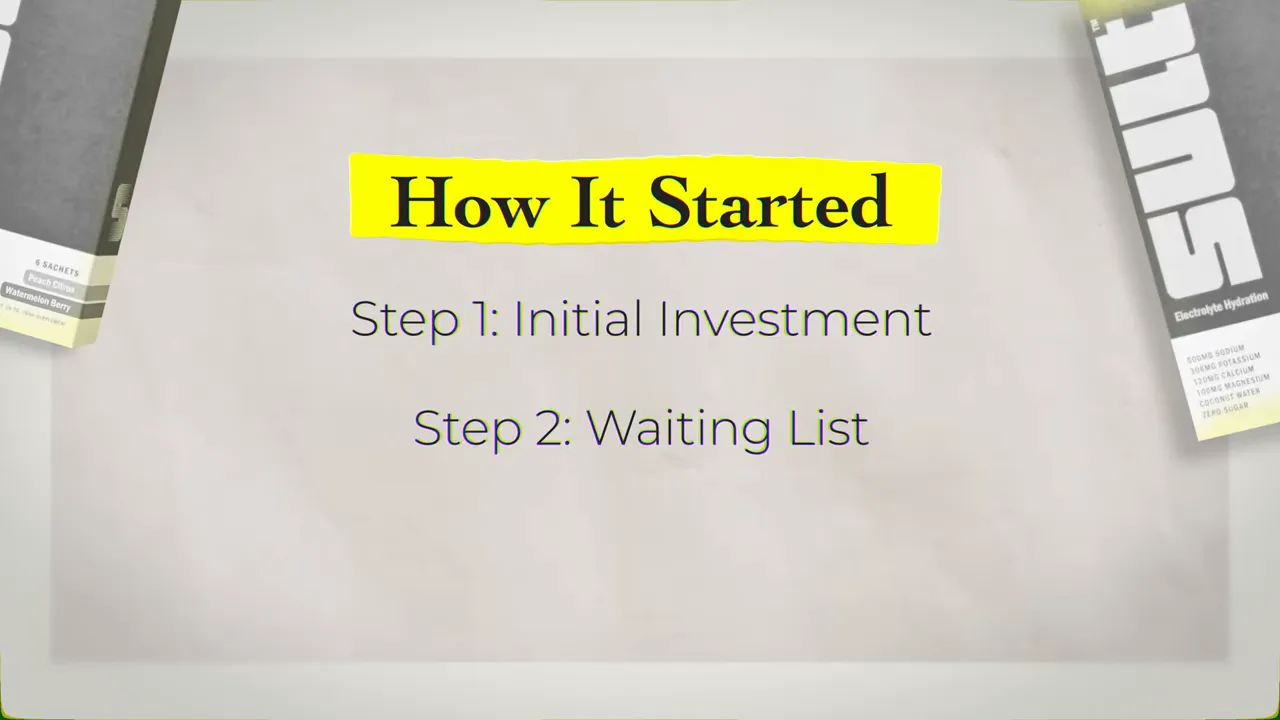
Two months before launch Henry drove people to a waiting list and collected emails. The waiting list converted around 5 percent on launch day, which created urgency and a predictable cohort of first buyers. Lead Connector and GFunnel funnels help you capture and nurture people before you launch, ensuring you convert launch-day interest into revenue.
3. Just do it and iterate rapidly
Henry kept launching—doing the thing and learning from customers. Too many founders get stuck refining until perfection. Instead, launch a minimum lovable product, collect actual feedback, then iterate. Use Flows AI to automate feedback collection and funnel customer responses into your CRM for product iterations based on real data.
4. Create scarcity and frame it correctly
Sold-out inventory can be a marketing asset. Henry learned that scarcity drives demand. But scarcity must be managed; GFunnel automations can create back-in-stock sequences and pre-order flows that keep customers engaged while you restock.
5. Choose partners, not investors, early
Henry and I both advised caution around early equity funding. Investors can accelerate growth but at a price. Alternatives include supplier credit, brand sponsorships, or outside income. If you must take outside capital, do it when you know the partner adds strategic value. In the meantime, use GFunnel to build sponsorship decks, collect retailer interest, and automate outreach to the right partners.

Deep Dive into Features: What to Use and When
Let’s go feature by feature and give practical recommendations for founders at each stage.
Lead Connector: How it simplifies lead tracking
- Start: Use a single landing page to collect emails and tag users by source (TikTok, Instagram, friends).
- Launch: Run an automated drip that educates subscribers about the brand story and drops an exclusive launch link to priority subscribers.
- Growth: Route high-value prospects to a sales sequence and low-value subscribers to evergreen nurturing.
Flows AI: Keep the conversation personal at scale
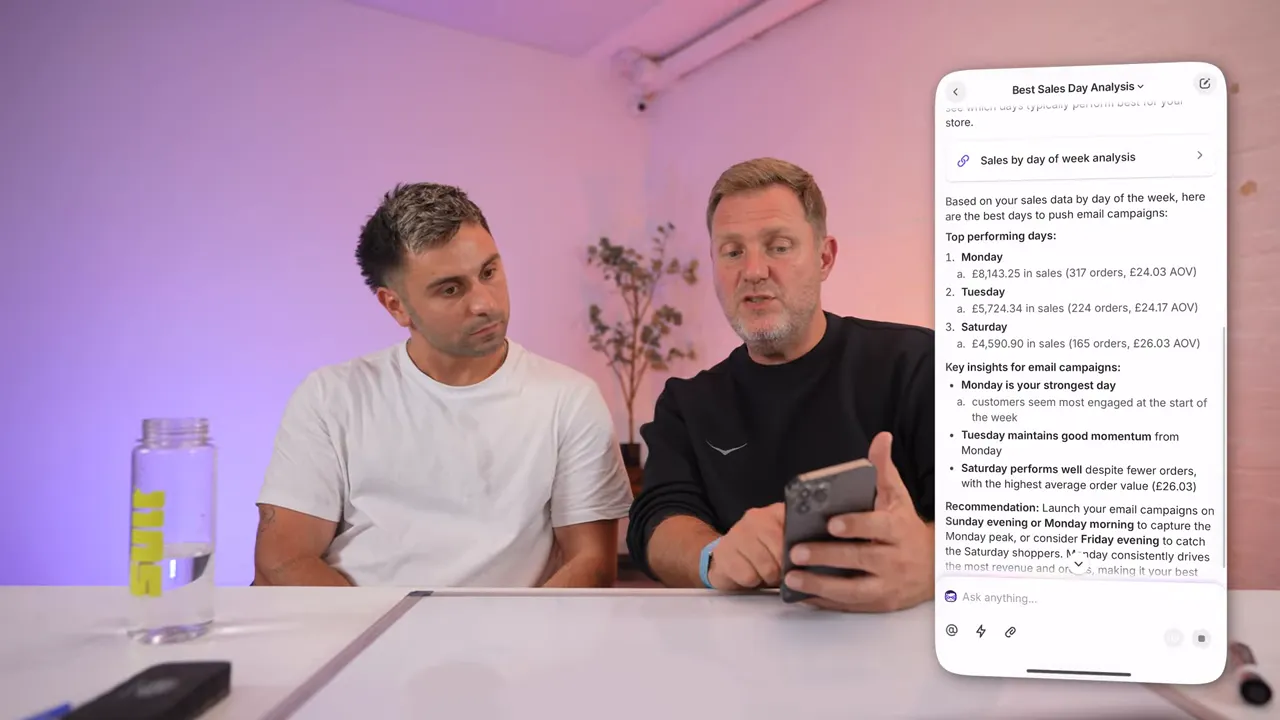
Flows AI is where you turn manual follow-up into scalable personalization. Set up dynamic messages that pull variables from the CRM—first name, last purchase, favorite flavor—and trigger sequences based on customer behavior.
AI Contract Management: Close deals faster
If you are talking to a retailer, a partner, or a co-packer, having a template contract you can customize and e-sign is a competitive advantage. Use AI to speed up redlining, automatically track version history, and ensure both sides sign quickly so you can convert interest into orders without legal lag.
No-code website builders: Launch landing pages in minutes
Henry and his team built a Shopify site fast. With a modern no-code page builder you get the same speed plus integrated analytics. Use built-in SEO, fast-loading pages, and conversion widgets to turn organic traffic into customers.
CRM: Make your data actionable
A CRM is more than a contact list. It is your behavioral memory. Record every touch, campaign, and purchase so your automated campaigns can get smarter. Want to know which marketing channel yields the highest LTV? The CRM gives you the answer.
Scaling Strategies: Cash Flow, Retail Timing, and International Expansion
If you’re getting traction, congratulations. Now you face new problems: when to invest in stock, when to speak to retailers, and how to enter new geographies. Below are pragmatic rules of thumb I use with the founders I advise.
Cash flow first, equity later
Equity is the most expensive resource you own. If you can solve cash flow with supplier terms, pre-orders, sponsorships, or outside income, do that first. Henry used consultancy income early and later explored brand sponsorships. GFunnel helps by automating sponsorship outreach and managing partner contracts through the platform.
Retail is a channel, not a goal
Retail amplifies distribution but is cash flow and rate-of-sale sensitive. My advice: delay large national rollouts until you have sustained direct-to-consumer momentum and clear rate-of-sale data. Use GFunnel to model retail margins vs. DTC margins, generate SKU sell-through reports, and create retailer-specific marketing decks.
International expansion is about the right partner
The US is massive, and people will tell you to go big. Do it, but with a partner who understands local retail, advertising, and distribution. Start with lightweight tests—ads, influencer content, and DTC orders—before committing to warehouses or full distribution. Use the CRM to track orders by geography and Flows AI to run targeted pre-launch campaigns in new markets.

Real-World Playbook: 9 Actionable Steps to Implement Today
- Define your brand story first. Trademark early if you can.
- Build a waiting list with a single landing page and nurture it with automated sequences.
- Launch a minimum lovable product, track feedback, iterate quickly.
- Keep a lean tech stack. Consolidate leads, marketing, and orders in one CRM.
- Negotiate supplier terms before scaling. If they back you on payment, be loyal to them.
- Use scarcity deliberately: pre-orders and restock alerts convert interest into urgency.
- Automate outreach to sponsors and retailers; use AI for contract negotiations to move faster.
- Test international interest with light campaigns; enter with a local partner when evidence exists.
- Protect equity. Use revenue-based growth where possible before selling ownership.
FAQs
What is Lead Connector?
Lead Connector is GFunnel’s integrated CRM that combines lead capture, automation, and analytics so you can see which channels and campaigns drive real revenue.
How does Flows AI save time?
Flows AI automates multichannel follow-ups, generates personalized copy, and triggers messages based on behavior. That means fewer manual touchpoints and more consistent conversion sequences.
How does AI-powered contract management work?
It templates contracts, auto-suggests clauses, tracks redlines, and supports e-signatures so you close deals faster and reduce legal friction.
Is GFunnel free to start?
GFunnel offers an easy sign-up and no-code tools so you can get started quickly. Visit https://www.gfunnel.com to learn about the current plans and the free account options available.
Will these tools work for physical product businesses?
Absolutely. The combination of landing pages, CRM, automated flows, and contract tools is tailored to solve product-business problems like waiting lists, restock flows, supplier negotiations, and retail outreach.
Conclusion and Next Steps
Henry’s story is a reminder that great brands start with a story, move quickly, and learn from real customers. But story and speed without systems become chaos. That’s why business automation tools matter. GFunnel’s integrated approach—Lead Connector, Flows AI, AI contract management, no-code website builders, and CRM—lets you automate the mechanics so you can focus on brand, product, and distribution.
If you want to build something that lasts, do three things today: 1) capture leads consistently, 2) automate follow-up with intent-based flows, and 3) keep your data in a single system so you can make decisions from evidence rather than opinion.
Start small. Launch. Learn. Use automation to convert momentum into scale. If you want a platform that brings these building blocks together, visit https://www.gfunnel.com and create an account to start channeling your success.