
If you’re an entrepreneur, creator, or operator trying to scale a business without burning out, this is for you. I’ll tell you exactly how we turned attention into customers — 32.7 million monthly views, a $100M+ book launch, and tens of thousands of pieces of content — and how an all‑in‑one platform like GFunnel (Lead Connector, Flows AI, AI contracts, website builders, CRM) makes that work repeatable and frictionless.
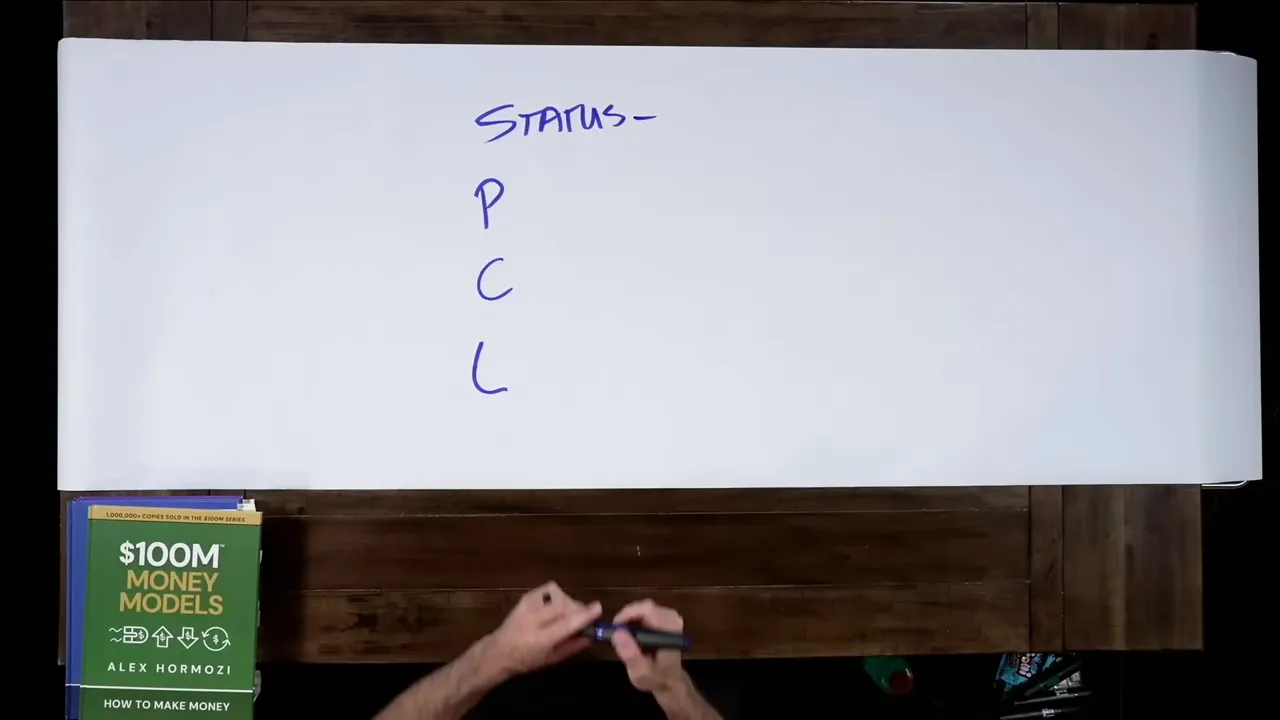
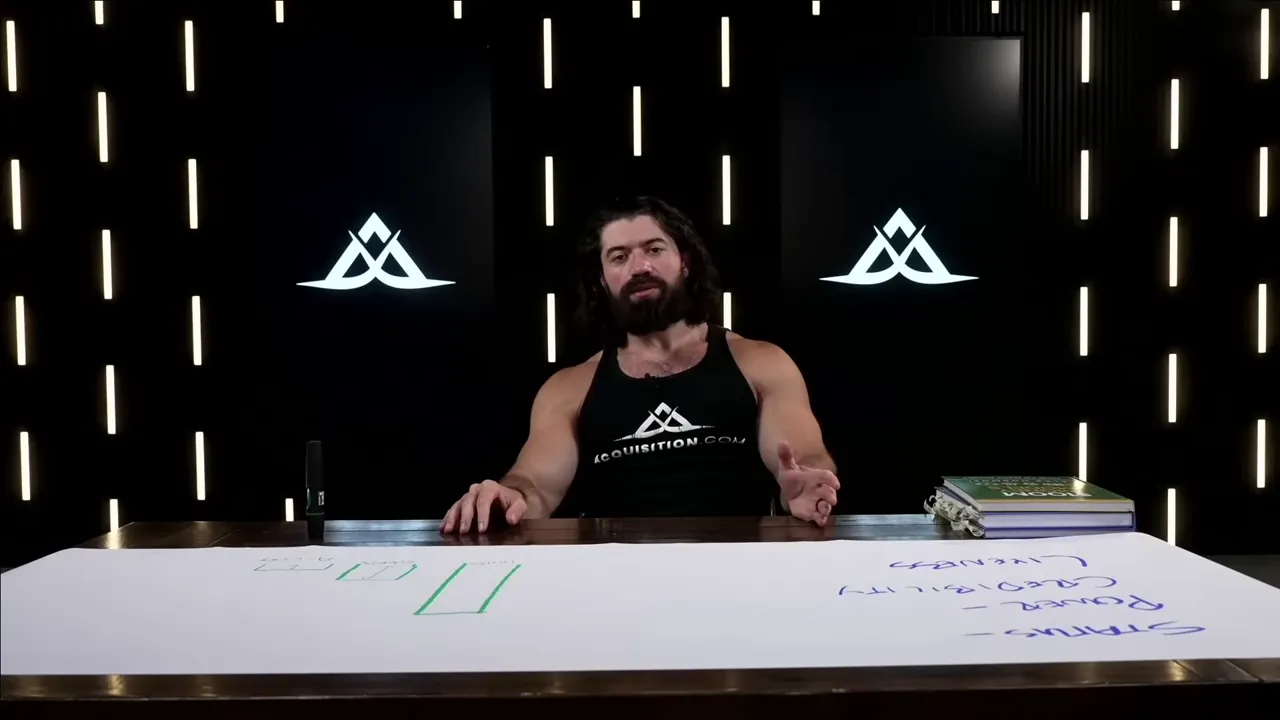
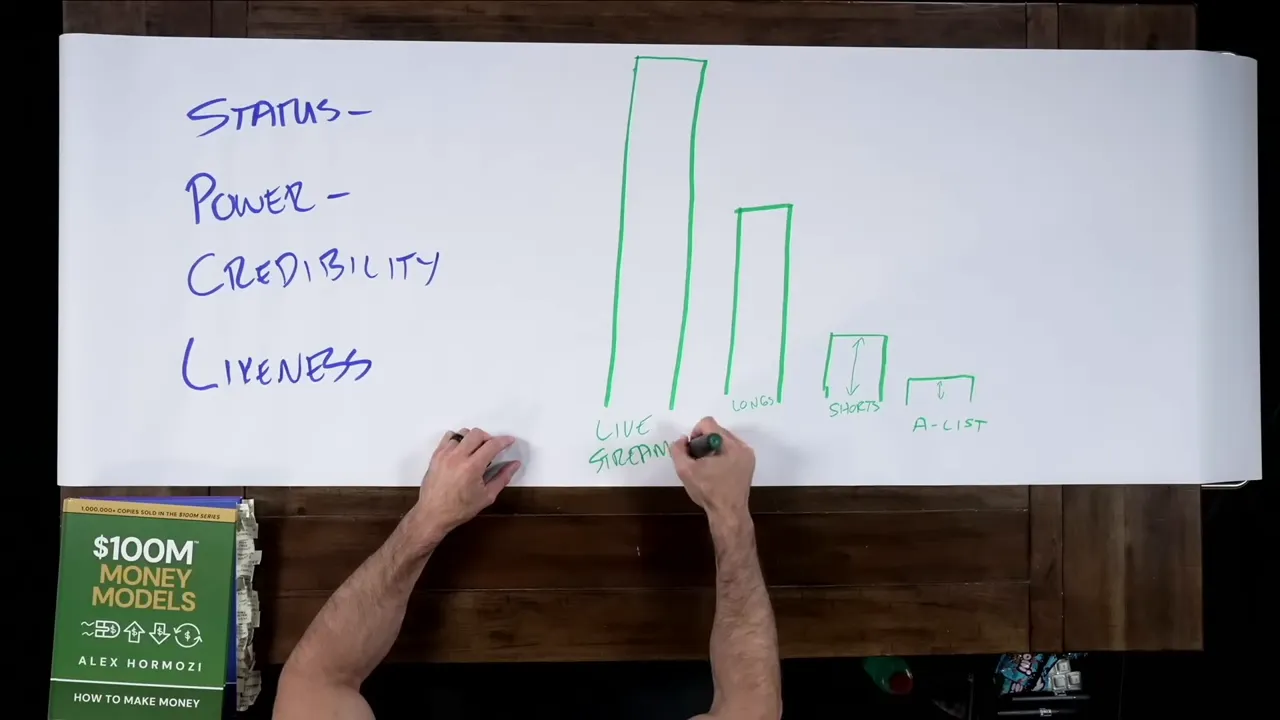
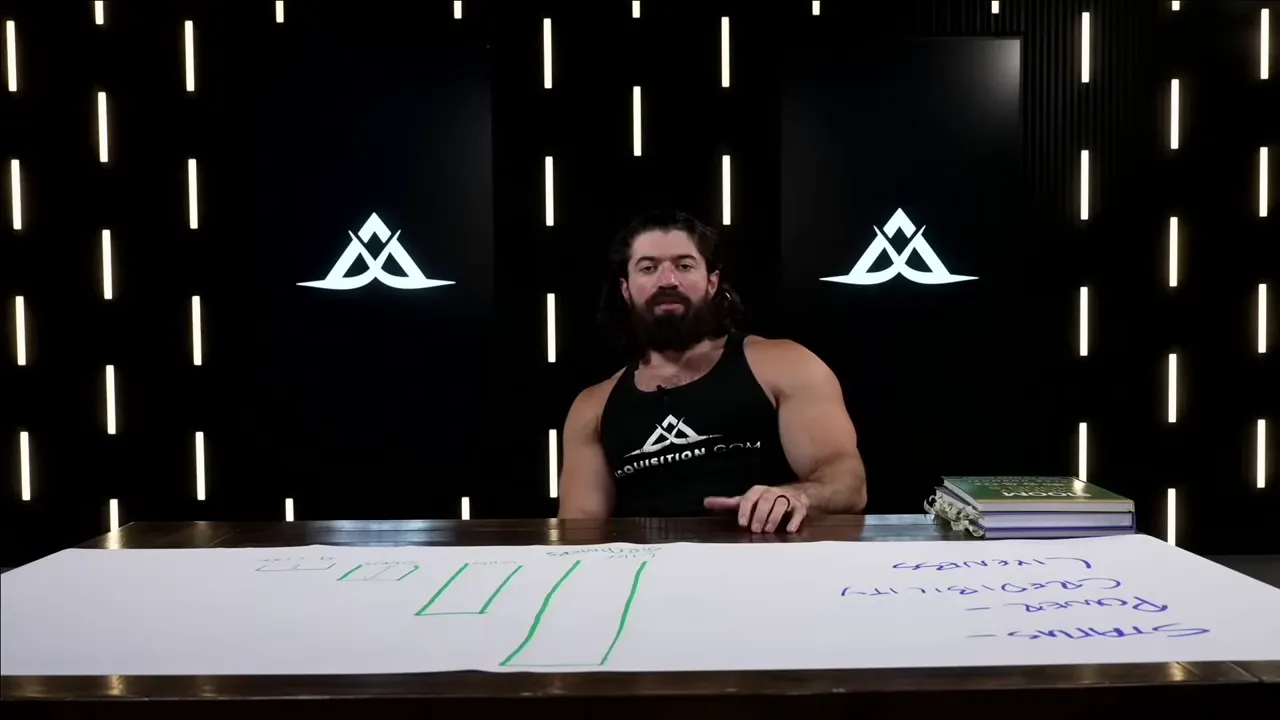
The framework I use to engineer influence on purpose is simple: status, power, credibility, and likeness (SPCL). When you design your offer, your content, and your operational stack to maximize these, conversion gets easier and growth becomes predictable. GFunnel is the kind of toolset that lets you operationalize that framework — automating lead capture, follow‑up, onboarding, and conversion using AI flows and a unified CRM so you can spend your scarce attention on the high‑leverage work.
Table of contents
- Introduction: Attention is not a strategy
- Chapter 1 — The Entrepreneurial Challenge: why tools and tactics fail
- Chapter 2 — GFunnel’s All‑in‑One Solution (Lead Connector, Flows AI, contracts, websites, CRM)
- Chapter 3 — Real‑world plays: converting attention to revenue
- Chapter 4 — Deep feature dive: automation that scales
- Chapter 5 — Tactical playbook: content, funnels, offers, and the trifecta
- FAQs
- Conclusion: the decision to act
Introduction: attention without structure is noise
Views alone are vanity. Revenue is reality. I’ve seen creators obsess over impressions, trends, and virality while their business stagnates. That’s because attention is only valuable when you convert it into something — a lead, a buyer, a recurring customer, or a full‑fledged evangelist.
GFunnel is built for people who want the operational plumbing solved: one place to collect leads, qualify them, convert them, and retain them. Instead of stitching together ten products and praying the integrations work, you get a unified experience where analytics, AI workflows, and contract automation live together. That means you can focus on making offers people can’t refuse and doing the creative work that only you can do.
This post walks through the thinking and the operations. I’ll use the SPCL lens — status, power, credibility, likeness — to show how you structure content and funnels. Then I’ll translate those principles into concrete GFunnel features and tactical plays that work for service businesses, e‑commerce, digital products, and creators.
Chapter 1 — The Entrepreneurial Challenge: why tools and tactics fail
There are three common ways founders get stuck:
- They swim in tools without a funnel: thousands of followers, five apps, and zero predictable income. You need orchestration, not more point solutions.
- They can’t scale their influence: short videos get attention, but short attention spans don’t build trust. Influence requires time — long form, repeated exposure, and reinforcing cycles that prove your claims.
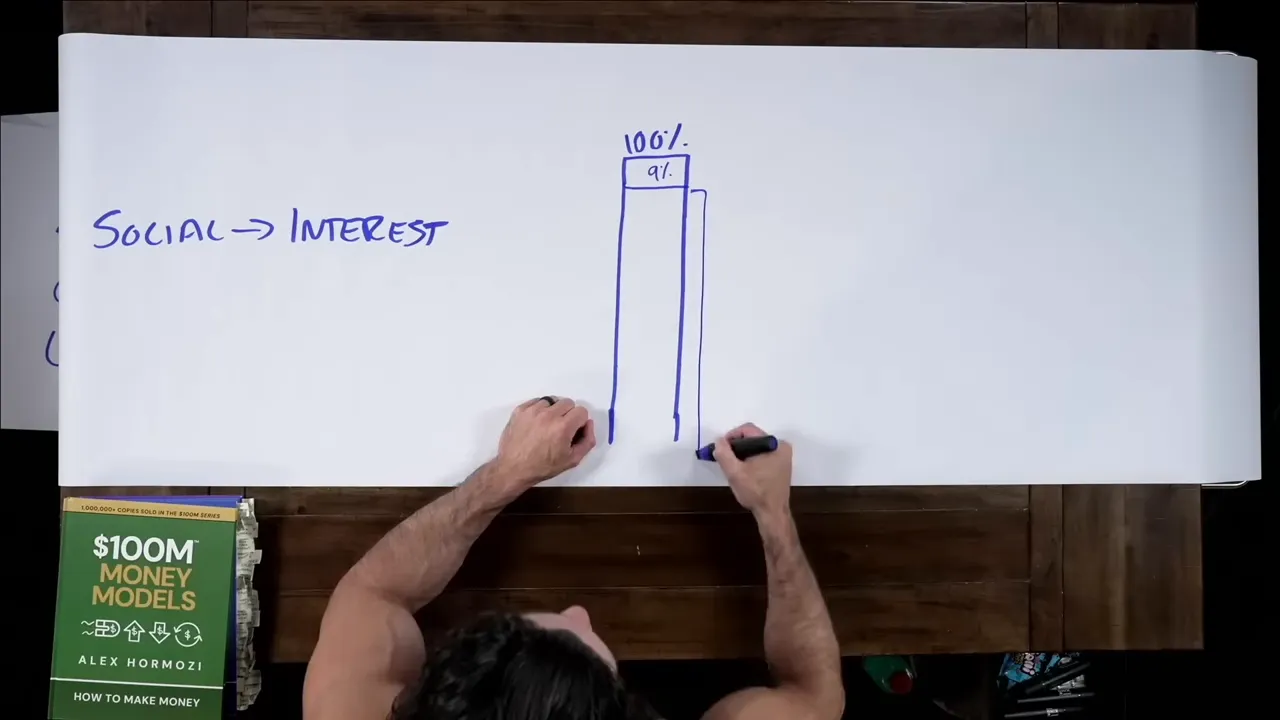
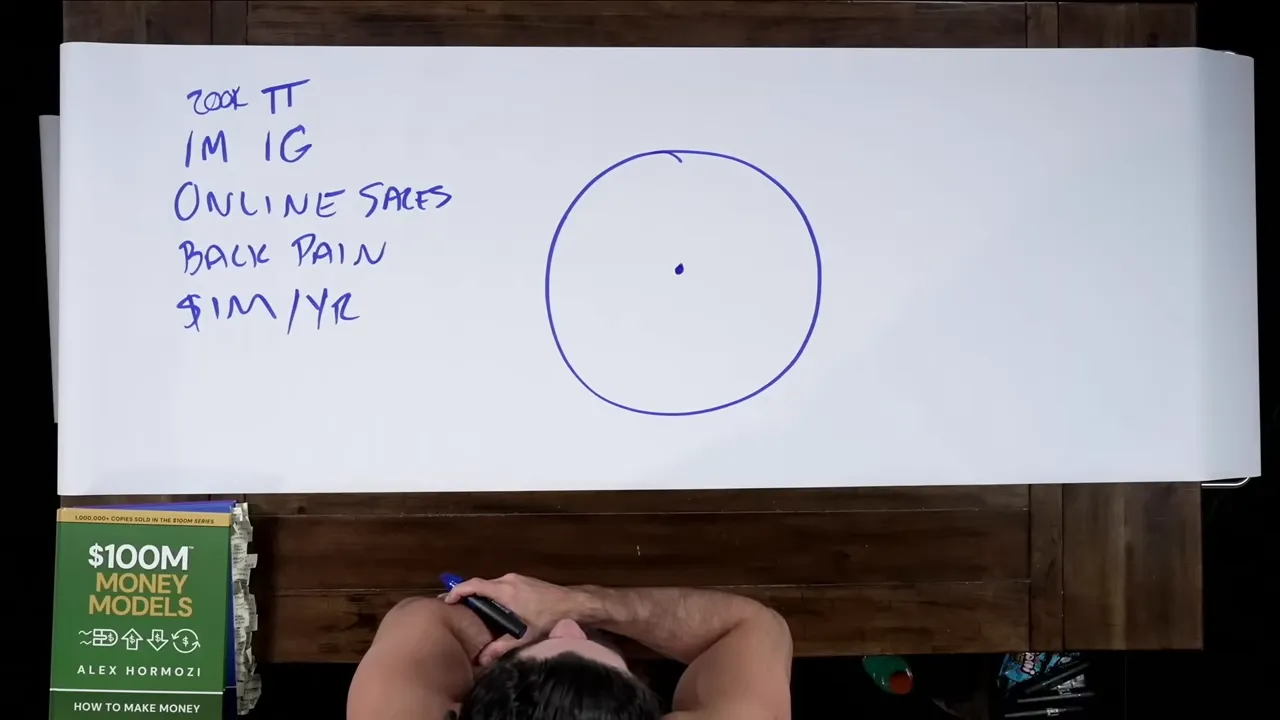
- They overestimate market size and misunderstand targeting: comparing your niche with Mr. Beast is pointless. If you sell to high‑value customers (e.g., business owners spending $25K/month), a small, precise audience is powerful.
Two things matter more than any growth hack: (1) creating offers that solve a painful, urgent problem (the bigger the pain, the more you can charge), and (2) building consistent, repeatable pipelines that surface qualified buyers without you chasing them.
I’ll be blunt: most people chase views because it’s an easy metric. The right metric is time + quality — how many minutes of focused attention can you capture from your ideal avatar? Two hours with a prospect is worth 480 fifteen‑second clips. The math above is why podcasts, long interviews, and live streams matter for influence.
Why so many stacks fail
Point solutions are cheap and tempting. But every integration is a friction point: data gets lost, teams argue about which tool is the source of truth, and leads fall through the cracks. For the earliest stages of scaling, you want a single system of record: the CRM. GFunnel’s Lead Connector is built to be that single source, with flows and automations tied directly into every touchpoint — so the right prospects automatically receive the right message at the right time.
When you should keep the point tools
If you already have a mature martech stack with strong ROAS and a dev team that maintains it — keep what works. But most businesses don’t. For the majority of founders, centralizing on one platform reduces complexity and multiplies output. That’s how you get from 9% of the population (business owners) to the 1.5M people who actually fit your offer, and how you serve them consistently.
Chapter 2 — GFunnel’s All‑in‑One Solution: the tools and why they matter
Let me translate SPCL into technology requirements, and then show how GFunnel covers each element:
- Status: Demonstrate control of scarce resources — exclusive knowledge, limited spots, fast results. Technology needs to make proof visible (testimonials, verified purchases, page stats).
- Power: Deliver results consistently (say → do → reward). Automation must capture who complied and what happened next; show conversions and ROI.
- Credibility: Third‑party validation, social proof, verifiable metrics. You need analytics and reputation features embedded in pages and messages.
- Likeness: Relatability, consistent voice, and repeatable exposure. Your platform must enable frequent, native, personalized communication.
Lead Connector: your single source of truth
At scale, the CRM is where everything converges. Lead Connector is built to capture leads from every channel — organic form fills, DMs, paid ads, live streams — and map them into a single contact profile with history, tags, and custom fields. That means no more spreadsheets, no more lost leads, and less manual handoffs between marketing and sales.
From a Hormozi perspective, Lead Connector enables you to execute offers at scale: run the same workshop, book the same audit, and know exactly how many prospects convert from each piece of content. With this data, you can optimize your offer and pricing — not guess.
Flows AI: automate follow‑up like a junior VP
Most prospects don’t convert because they never get the second message. Flows AI lets you build decision trees and automated sequences that behave like a human rep: they ask triage questions, score leads, book calls, and escalate hot leads to a human. The best growth systems are simply long sequences of small reinforcers (say → do → reward). Flows AI automates that exact sequence.
Two practical plays:
- Use Flows AI to route TikTok or IG traffic into an IG DM triage flow, then send hot leads to a calendar slot; cold leads receive value content.
- Use AI to dynamically swap lead magnets — test different magnets for different hooks without changing the ads, just the path.

AI‑Powered Contract Management: close with confidence
One of the biggest friction points in selling high‑ticket offers is contracts. If paperwork slows you down, you lose urgency and trust. GFunnel’s AI contract features expedite negotiation, signature, and fulfillment handoffs while preserving legal safety. For founders who want to offer guarantees (a Hormozi favorite), contract automation lets you manage the risk — deliver the proof and the guarantee without manual overhead.
Website builders & pages: fast pages that convert
When you have an irresistible offer, you don’t want to wait weeks for a page. GFunnel’s no‑code builders let you create landing pages, VSLs, and membership portals in hours. Lightning load time, optimized CTA placement, and built‑in analytics mean you can iterate headline, thumbnail, and first 5–10 seconds of video quickly — the three things that determine conversion.
CRM & analytics: data to decide with
Everything you do needs to feed back into a metric you care about. GFunnel shows you how many prospects reached your lead magnet, how many booked a call, conversion by rep, and projected LTV. That’s the raw material for good decisions: where to put ad budget, which hooks to scale, and which markets to test next.
Chapter 3 — Real‑world plays: converting attention to revenue
Here’s how the plays actually look in practice. These examples are synthesized from the lessons above and the types of problems real founders bring to me:
Play A: TikTok → IG DM → Qualified Call
- Hook: short clip demonstrates a single result (e.g., “How I cut CPAs in half for one brand”).
- CTA: “DM me on IG for the one‑page checklist.”
- Flow: GFunnel DM triage asks two qualifying questions, gives the checklist, and then offers a low friction calendar slot if the answer indicates high intent.
- Outcome: higher quality calls and lower lead cost to the business owner.
Play B: Live → Repurpose → Funnel
Live streams build likeness and time‑on‑stage. Clip the stream into multiple short videos with different first 3‑second hooks. Use GFunnel to push each clip into a test funnel and see which hook produces warm applicants. Repeat winners get scaled ads. This is how creators move from 15‑second discovery to 2‑hour influence.
Play C: High‑ticket B2B using a “Waive Fee” structure
For services that take time to deliver value (SEO, automation, white‑glove services), offer two pricing lanes:
- Pay upfront for flexibility (higher price).
- Waive the upfront fee and commit to a longer contract (lower entry price).
GFunnel manages the application funnel, contract, and onboarding, and automates the conditional clauses (e.g., if KPI not met in 90 days, client can exit). That reduces buyer risk and increases conversions — exactly the mechanism to win deals at scale.

Play D: Scaling paid ads with funnel depth
If your ad velocity stalls, stop guessing at bidding techniques. Instead, broaden your funnel awareness with content and lead magnets that pull in less aware audiences. GFunnel lets you launch lead magnet pages rapidly and segment visitors so paid spend warms prospects instead of only chasing the already‑aware 3% who are ready to buy.
Chapter 4 — Deep dive into features: what you actually use
This chapter walks feature by feature and gives the tactical “how to use” for each.
Lead Connector — Tactical checklist
- Collect leads from every channel via unified forms and UTM mapping.
- Enrich contacts with firmographic data for B2B (company size, revenue bracket).
- Tag leads based on initial flow answers (budget, timeline, pain severity).
- Use lead scoring to prioritize rep outreach and automate booking for high scores.
Flows AI — Tactical checklist
- Create triage flows that ask 3–5 calibrated questions to qualify lead intent.
- Route the hot leads to your top 20% reps; route warm leads into a nurture sequence.
- Use AI to craft personalized follow‑ups: it will pull from the contact’s answers to create more relevant messaging.
- Deploy re‑engagement flows for leads that go cold after 14 days.
AI Contract Management — Tactical checklist
- Automate contract generation with pre-filled fields from the lead profile (price, deliverables, timeline).
- Include conditional exit clauses (e.g., 90‑day KPI exit) for risk‑stacked offers.
- Track signatures and integrate with fulfillment workflows — onboarding triggers once contract is signed.
Website builders & pages — Tactical checklist
- Build separate pages for each lead magnet; don’t jam multiple offers on one page.
- Test the first 3–10 seconds of video thumbnails and headlines — those are the conversion drivers.
- Use GFunnel analytics to see session duration, heatmap of clicks, and dropoff points.
Chapter 5 — Tactical playbook: content, funnel, offer
Here’s a compact operational playbook combining everything in a weekly rhythm.
Weekly rhythm (the 7x rule)
- Produce 1 high‑quality long form piece (60–90 minutes or a long interview / workshop).
- Clip that long form into 10–15 shorts with different hooks and thumbnails.
- Run A/B headlines and thumbnails for the top three shorts every two days and feed winners into paid experiments.
- Rotate 2–3 lead magnets week over week; use GFunnel to switch which magnet is delivered to which funnel without rebuilding pages.
- Daily: review lead conversion numbers and rep pipeline velocity in Lead Connector; prune or reassign leads that are stuck.
Offer engineering — the Hormozi lens
Make the offer so good people feel stupid saying no. That comes from aligning price with pain and reducing perceived risk.
- Increase value: add guarantees, bonus components, or fast results that have quantifiable outcomes.
- Reduce friction: spread pricing, apply waiver fee options, and automate the contract so getting started is trivial.
- Make proof visible: display third‑party validation, case numbers, and run live social proof in pages and DMs.
GFunnel enables each step: proof is embedded on pages; guarantees are encoded in contracts; follow up is automated so promise tends to become a habit for your prospects.
Customer lifecycle: from prospect to advocate
Think beyond the sale. Post‑purchase flows must do two things: reduce buyer’s remorse and generate referrals. Use GFunnel to send quick results, show progress, and ask satisfied customers for introductions. Over time, these referrals compound — and your cost of acquisition goes down.
Real examples & mini case studies
Here are a handful of synthesized examples that mirror the calls and stories I field in conversations every week:
Example — The clinic scaling internationally
A clinic with 150K YouTube subscribers was converting at 65% but lacked volume. The playbook:
- Repurpose long‑form content into high‑intent lead magnets (executive packages) on GFunnel pages.
- Implement Flows AI to triage prospects into local vs. international pipelines and route VIPs to concierge service.
- Added a cloned landing page for affiliates and set pixel attribution in a single GFunnel flow so affiliate spend is measurable.
Result: higher qualified leads, controlled ad spend, and better attribution. The clinic could scale its ad spend intelligently because it saw LTV and conversion per channel in one dashboard.
Example — The service agency that scaled up
A marketing automation agency selling to e‑commerce at $6K/month capped out in ad spend. The fix:
- Create top‑of‑funnel content explaining higher level pain (CPA, AOV improvement) and offer a 3‑step plan as lead magnet.
- Use GFunnel to put the lead magnet behind an application funnel and then automate the low‑cost front end to qualify prospects.
- Offer the waive fee option for clients who commit to 12 months — contract automated through GFunnel.
Result: warmer audiences, better scalability for ads, and improved economics because the agency wasn’t selling only to the 3% already aware.
FAQs
What is Lead Connector?
Lead Connector is GFunnel’s CRM and single source of truth for prospects and customers. It collects leads from all channels, enriches them, tags them, and provides a history for every interaction. Use it to coordinate ads, flows, and sales activity without needing multiple integrations.
How does Flows AI save time?
Flows AI automates lead triage and follow‑up. Instead of a rep manually checking Instagram DMs, AI asks the qualifying questions, serves the appropriate lead magnet, and books calls for hot prospects. You get more qualified calls without scaling headcount proportionately.
How does AI‑powered contract management work?
GFunnel generates contracts automatically from the contact profile (price, package, terms), inserts negotiated clauses (guarantees, waiver fees), and tracks signature and payment. It reduces friction and ensures documents trigger onboarding workflows on signature.
Can I start GFunnel for free?
GFunnel’s entry options typically include trials or free tiers to create pages and test flows. If you’re serious about scaling, run one funnel end‑to‑end (lead magnet → flow → call → contract) to validate before layering paid ads.
Does GFunnel work for both B2C and B2B?
Yes. The platform is flexible: B2C brands can use short content, shop pages, and subscription funnels; B2B services can use application flows, waived fee offers, and longer sales sequences with contracts and onboarding flows.

Conclusion — make a decision and stack the right systems
Influence is a stack: status, power, credibility, likeness. Content creates likeness and some credibility; long‑form and live streams create power through repeated reinforcement cycles; proof and third‑party validation create status and credibility. But none of this is sustainable without operations: a CRM, flows, contract automation, and rapid page creation.
GFunnel bundles those operations so you can scale offers that are worth scaling. If you want to execute the exact playbook — volume, better hooks, targeted funnels, automated triage, and high‑value offers with appropriate guarantees — you’ll need infrastructure that doesn’t leak leads. GFunnel is built to be that infrastructure.
"Start before you're ready. Ship before it's pretty. Optimize after it works."
That’s the practical path: produce more of the right content, make your offers clearer and more valuable, automate the follow‑up so momentum becomes a flywheel, and use data to decide where to invest. If you build the system, the attention you create will compound into revenue rather than just noise.
Execute on one play this week: pick a lead magnet, create a single GFunnel page, build a triage flow, and launch a test ad or post. Measure time‑on‑page, conversion rate, and cost per qualified lead. Repeat. That small loop is the unit of scaling.
Final note
If you want the operational side done right — rapid pages, flows that behave like sales VPs, and contract automation that removes friction — centralize on one platform and get consistent. The difference between a hobby and a business is when the system runs without you. Build that system. Then focus on the offer and the content. The rest becomes engineering.
Channel your success: build offers that solve real pain, stack SPCL in your messaging, and use GFunnel to make the operations invisible. Do that, and attention becomes income — predictable, repeatable, and compounding.


