
Entrepreneurs, ready to transform your business? In this deep-dive article I walk you through how to turn social engagement into reliable lead generation and repeatable revenue using marketing funnels, automation, and community — and how the Lead Connector With GFunnel becomes the backbone of that system. As someone who has built funnels, run ad campaigns, and taught thousands how to scale with automation, I’ll show you practical steps, real-world examples, and how GFunnel’s business platform features map to the three big levers every business needs: offers, funnels, and traffic.
Introduction: Why marketing funnels and Lead Connector With GFunnel matter
Marketing funnels are no longer optional. If you want to convert fleeting social engagement into consistent customers, you need an ecosystem that manages conversations, captures contacts, and automatically nurtures leads into sales. That’s why I’m talking about the Lead Connector With GFunnel — because a single integrated business platform that blends marketing funnels, CRM, automation, analytics, and community networking removes the friction that kills growth.
In recent years I’ve watched how a simple change — turning post comments into qualified conversations — can transform what used to be mere vanity metrics (likes, shares) into real business outcomes. That transition requires three components working together: powerful positioning and offers, a reliable funnel and follow-up system, and a traffic engine that pulls targeted prospects into the funnel.
When I talk about the Lead Connector With GFunnel I’m describing a central nervous system for your business: it captures contact details, merges conversations across platforms, routes leads into automated sequences, and surfaces real-time analytics so you can iterate faster. Combine that with purposeful marketing funnels and AI-assisted creative, and you have a sales engine that scales without requiring you to be involved in every little decision.
Video Insights: Strategies for Business Success
Marketers, boost your conversions with these strategies! Below I distill the core themes I shared in the workshop and expand them into tactical guidance you can apply with GFunnel or any robust business platform. These themes emerged repeatedly during the session: automation, personalization, funnels & sales processes, traffic & timeless copy, and community/onboarding strategies. Each theme is actionable and maps directly to specific GFunnel capabilities.
Harnessing Automation for Consistent Lead Generation
Peng Joon: "You want to have a reason to get their email."
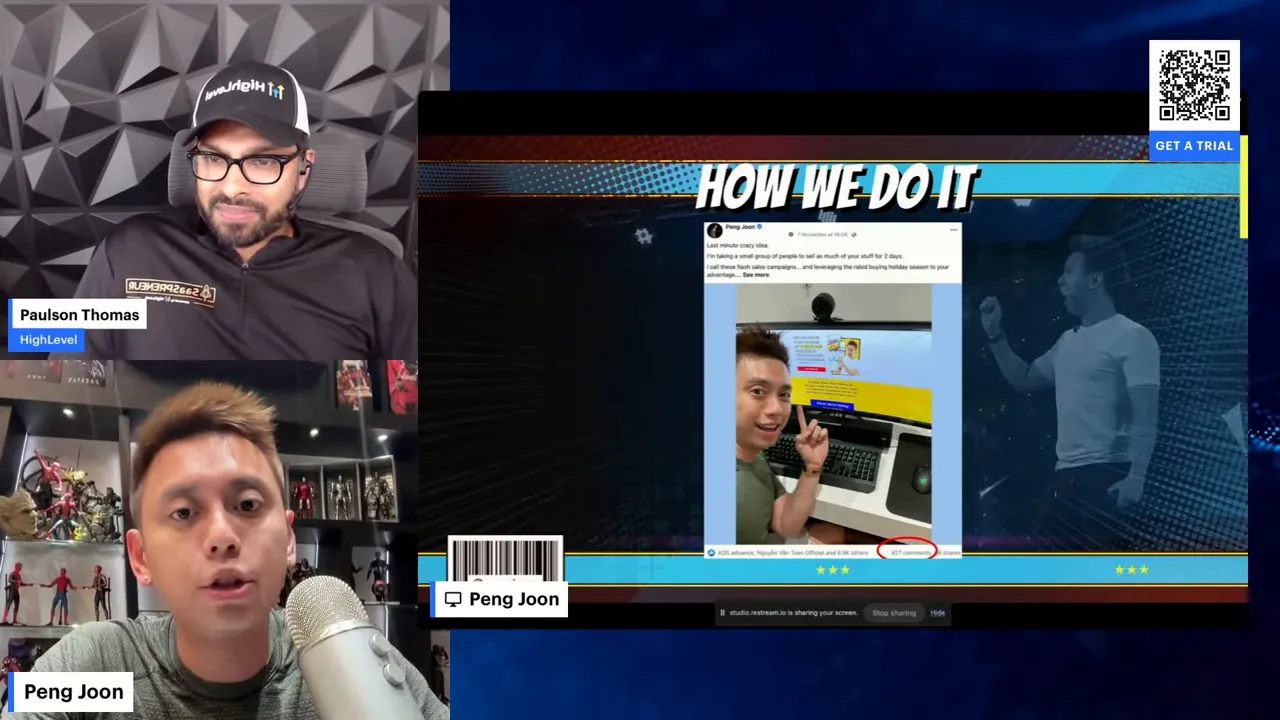
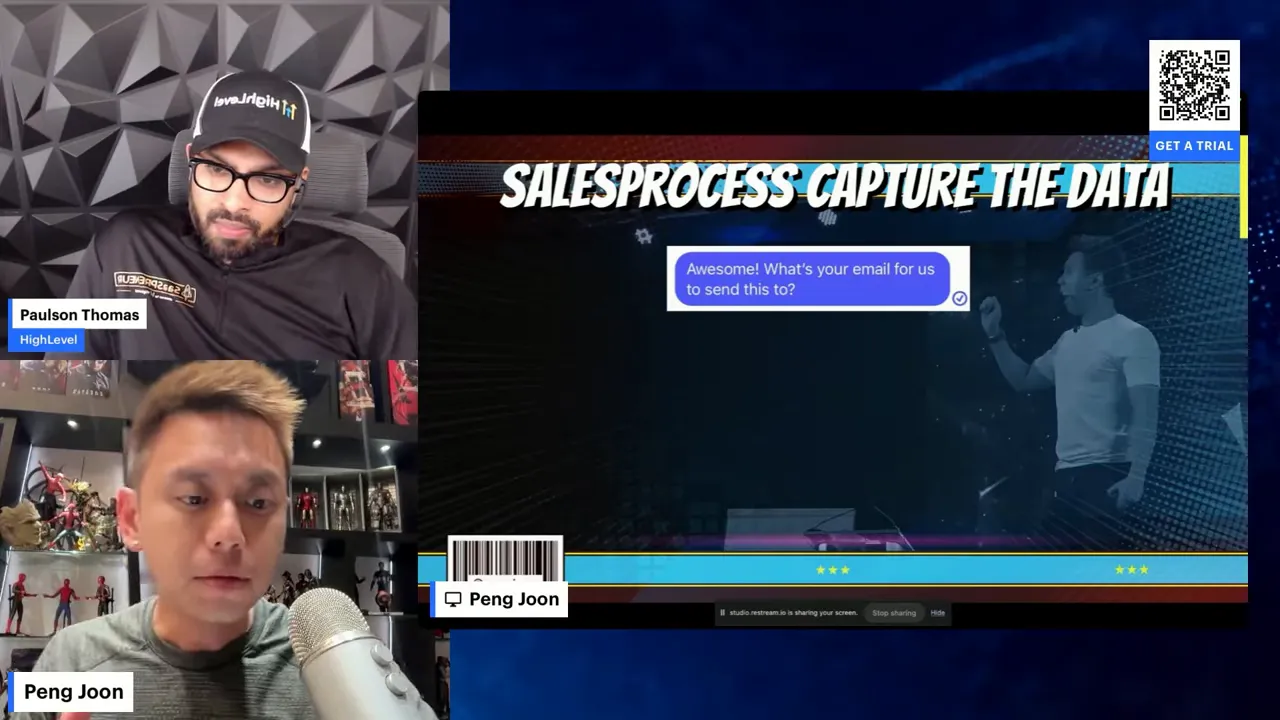
Automation isn’t a buzzword — it’s the way you convert one-off social interactions into lifelong customers. The idea is simple: make a post that asks for a low-friction action (comment a keyword), capture their messenger or comment, ask for one more piece of data (an email), then automatically deliver your promise (coupon code, checklist, webinar invite). From there, put them into a nurture sequence, segment based on behavior, and let automation drive the conversion pathway.
Key tactical steps I covered:
- Create content with a collateralized CTA (comment to get X).
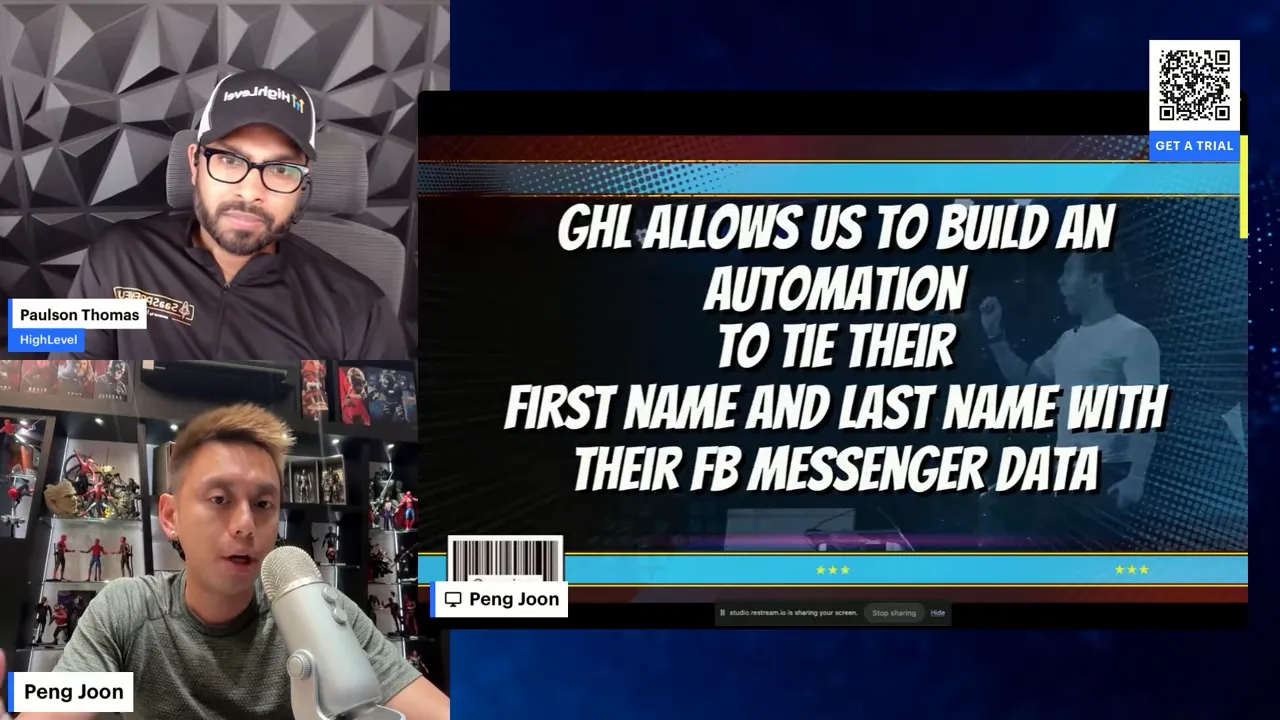
- Use a workflow to pull first and last name from messenger and capture their email.
- Trigger an immediate email or SMS with the promised asset and route them into a follow-up sequence.
- Split flows based on behavior (bought/didn’t buy) to personalize the next steps.
Personalization and Offer Design to Command Higher Prices
Peng Joon: "Do not sell a generic $1,000 course when AI can give a customized answer instantly."
Customization increases perceived value. In the workshop I emphasized the necessity of crafting AI-powered offers that do one thing extraordinarily well. Instead of "social media services," build a specific offer such as "90-day onboarding for SaaS to reduce churn by 20%." Specificity sells, and personalization delivered via custom GPTs or tailored workflows turns a commodity into a premium service.
Action items:
- Define one core outcome you deliver (reduced churn, extra walk-ins, faster onboarding).
- Create an offer that includes custom deliverables — e.g., personalized audits, bespoke GPTs, or campaign templates.
- Price for value and retain clients with recurring subscriptions via the Lead Connector With GFunnel model.
Using Marketing Funnels to Sell One-to-Many
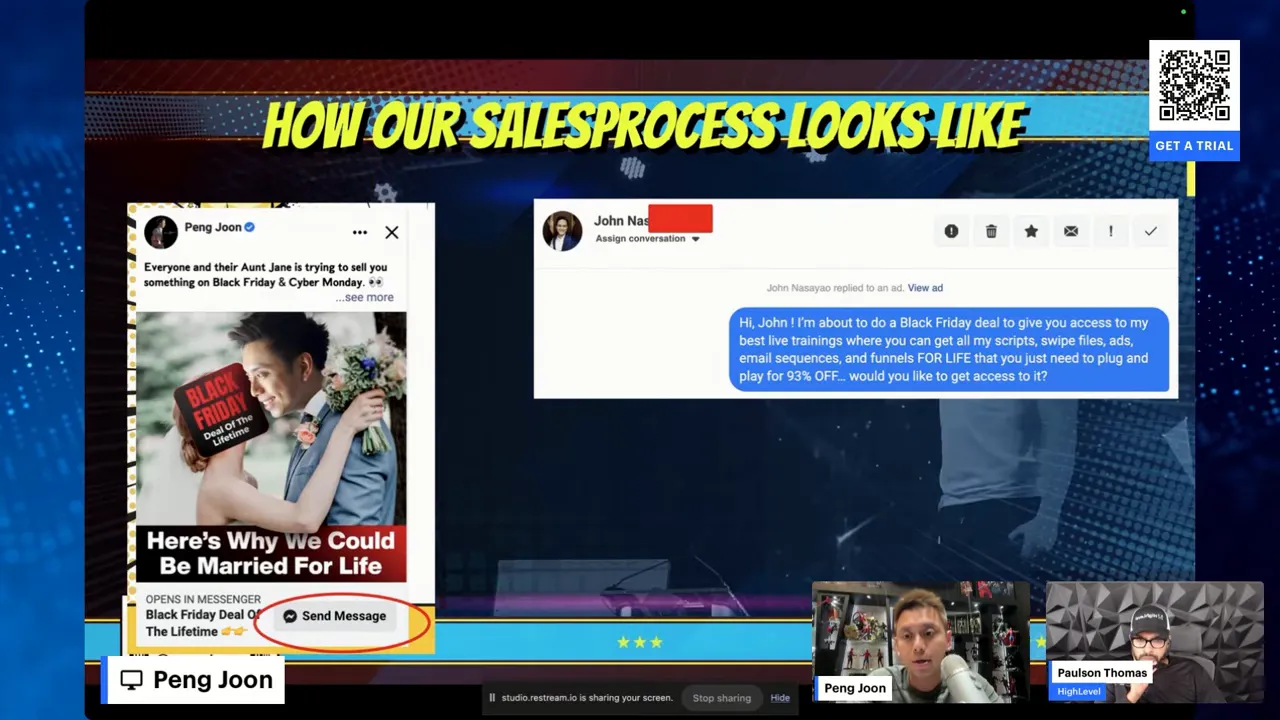
Marketing funnels are efficient because they let you sell one-to-many while still keeping personalization through segmentation and automation. In the training I mapped how a single social post becomes an engagement, a conversation, and then a tracked lead in the CRM that goes through the funnel to conversion. That exact flow is what I teach every team to clone.
Practical checklist for funnel design:
- Top of funnel: low-friction post that drives engagement (comment to receive X).
- Middle: capture email, deliver asset, present a low-ticket or call booking page.
- Bottom: nurture sequence, cart or call close, post-purchase onboarding flow.
Tip: Treat marketing funnels as living systems — measure at each stage and adjust messaging, creatives, and automation based on the metrics.
Traffic & Timeless Copy: AI Meets Classic Persuasion
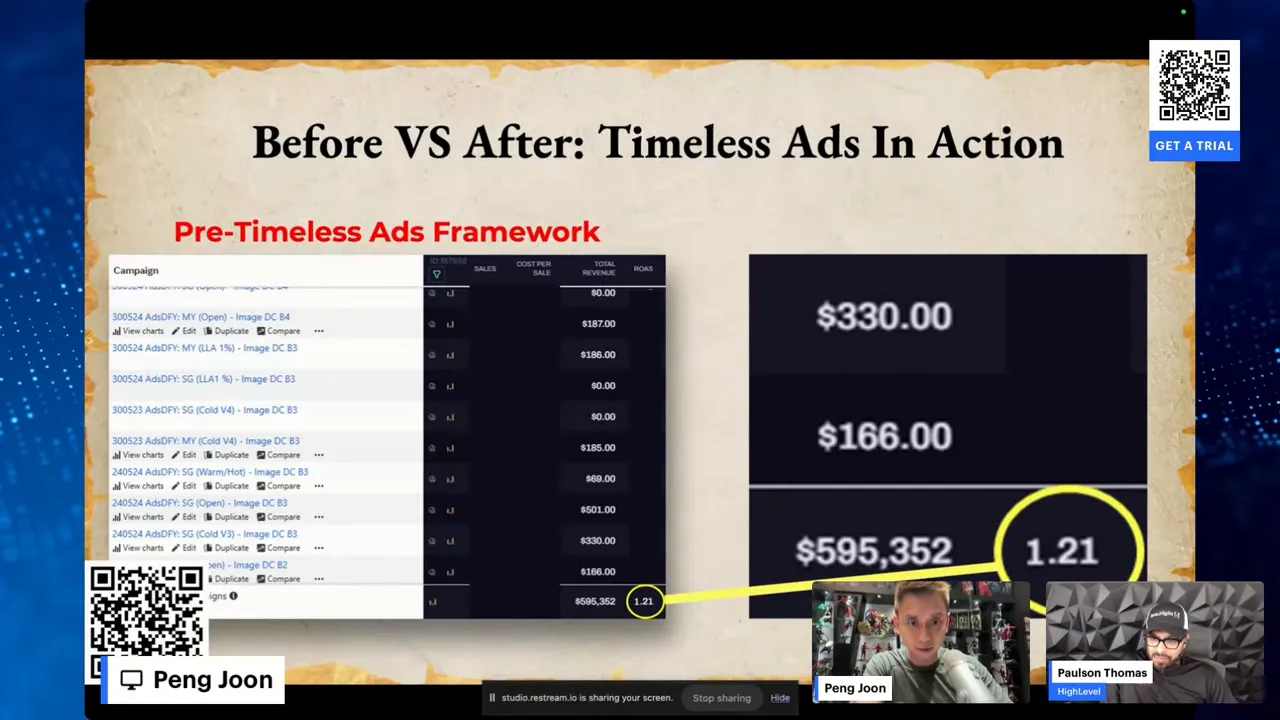
One of the most practical sections of the workshop was how AI can learn timeless copy frameworks and produce ads that outperform generic creatives. I shared how we compiled classic direct-response ads (John Caples, Claude Hopkins, Gary Halbert) and trained custom GPTs to produce headline-to-close ad copy tailored to our product and market. The result? Better ad performance and less time wasted on ad approvals.
Why this matters:
- Copy frameworks tap into human psychology that doesn’t change.
- AI accelerates testing and creative production at scale.
- Combining timeless hooks with modern targeting boosts ROI on ad spend.
Community, Onboarding, and Reducing Churn
Growing your customer base is half the battle; keeping them is the other half. I outlined a traffic-light health system (red, yellow, green) for new accounts and an onboarding plan to move customers from trial to active monthly users. This is where community and product-led onboarding make a massive difference — and where an all-in-one business platform can automate reminders, deliver content, and track activity.
Onboarding actions that reduce churn:
- Run 24-hour challenges to get new users to do a key action (upload contacts, launch a funnel).
- Use automated nudges and short tutorials to create “skin in the game.”
- Host community events to connect customers and accelerate adoption.
GFunnel’s Ecosystem Solutions
Small business owners, scale smarter with GFunnel! Now we’ll map each theme to GFunnel’s features so you can see exactly how to implement the strategies in the previous section. Where relevant, I’ll call out impact metrics and practical steps to deploy each feature. And yes — the Lead Connector With GFunnel fits perfectly into every part of this playbook.
GFunnel’s Automation for Lead Capture and Nurture
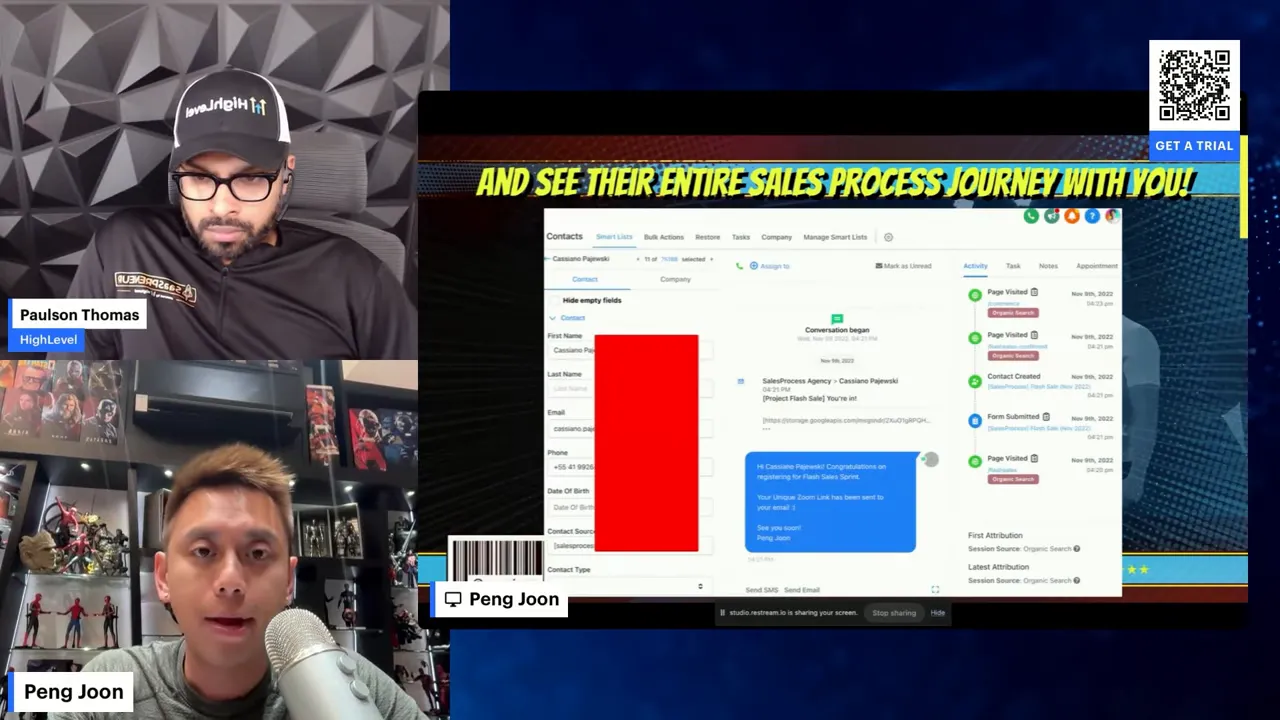
GFunnel’s automation features let you convert one-off engagements into tracked leads. A typical flow incorporates the Lead Connector With GFunnel CRM, automation sequences, and multi-channel messaging (email, SMS, messenger), ensuring all conversations and contact data live in one place.
Impact stat: automation reduces manual follow-up by up to 50% in typical SMB implementations.
How to implement:
- Build a workflow that triggers when a user comments on a post or messages your page.
- Capture first/last name from platform data, request email, and store contact in GFunnel CRM.
- Trigger an immediate email with the promised asset and place the contact into a behavior-driven nurture sequence.
CTA: Start automating lead capture and nurture with GFunnel’s automation features today!
GFunnel’s Funnel Builder and Lead Connector With GFunnel
GFunnel’s drag-and-drop funnel builder is where marketing funnels come to life. It’s focused on speed, usability, and integration with the Lead Connector With GFunnel. Create landing pages, upsells, and checkout pages, and wire them into automations and analytics without juggling multiple tools.
Feature highlight: fast autosave — GFunnel uses a dedicated web worker to autosave edits in ~103ms, 28x faster than many alternatives, ensuring you never lose work while crafting offers and pages.
Impact stat: teams report a 20% faster build time with GFunnel’s funnel editor thanks to the smooth autosave and intuitive UI.
How to implement:
- Design a post-to-funnel flow: social post → message/comment → email capture → funnel link.
- Use the Lead Connector With GFunnel CRM to attribute the lead and to display customer interactions inside the funnel flow.
- Use built-in A/B testing to measure landing page headlines and offers.
CTA: Build your next marketing funnel with GFunnel’s funnel-home tools and keep everything connected with Lead Connector With GFunnel.
GFunnel’s Real-Time Analytics and Reporting
Real-time analytics is a competitive advantage: if you can see drop-offs and conversions as they happen, you can iterate your marketing funnels faster. GFunnel’s dashboards let you track funnel performance, automation health, and revenue attribution in one place.
Impact stat: businesses that use real-time dashboards iterate 2-3x faster on creatives and funnels, leading to quicker ROI improvements.
How to implement:
- Track conversion rates at each funnel stage and set alerts for significant changes.
- Use attribution reports to understand which posts turn into paying customers.
- Leverage Lead Connector With GFunnel to merge multi-platform conversations into a single customer timeline for better reporting.
CTA: Monitor your funnels in real-time and adjust copy, creative, and budget dynamically.
GFunnel’s Community Networking and Onboarding Tools
GFunnel is more than funnels — it’s a business platform designed around collaboration. Niche communities and event features help you align onboarding campaigns with peer learning. For agency owners, community-driven onboarding reduces churn because customers see immediate utility and peer validation.
Impact stat: businesses that run community onboarding see a 15–30% improvement in 90-day retention.
How to implement:
- Create a private community for new clients to share wins, templates, and best practices.
- Run regular 24-hour challenges to get customers to complete key setup actions.
- Connect Lead Connector With GFunnel to show account health and engagement inside the community workflow.
CTA: Join GFunnel’s communities and integrate community onboarding into your retention playbook.
GFunnel’s E-commerce and Payments Integration
For e-commerce entrepreneurs, GFunnel provides built-in payment processing and order tracking integrated with the funnel and CRM. Capture customer lifecycle data from purchase through fulfillment and use it to trigger post-purchase campaigns and upsells.
Impact stat: integrated e-commerce funnels can increase post-purchase upsell conversions by up to 25% when paired with automation.
How to implement:
- Connect your product catalog to a GFunnel checkout page and link purchases to Lead Connector With GFunnel customer records.
- Set up post-purchase automations for cross-sell and retention sequences.
- Use analytics to spot high-value customers and build VIP sequences.
CTA: Launch an e-commerce funnel with integrated payments to turn acquisition into higher lifetime value.
APIs and Flexibility: GFunnel For Unmatched Use Cases
Not every business fits a template. GFunnel’s API and integrations allow you to hook specialized tools into the Lead Connector With GFunnel workflow, so if your team needs accounting, fulfillment, or specialty reporting added to the funnel, that’s possible.
Impact stat: businesses using API integrations report 30–40% faster automation of internal workflows, removing repetitive manual tasks.
CTA: Explore GFunnel’s API to customize your growth tech stack.
Real-World Applications: Two Case Studies
Small business owners, here are two practical examples showing how the Lead Connector With GFunnel, marketing funnels, and automation come together to drive measurable outcomes.
Case Study 1 — E-commerce Store: From Post Engagement to Repeat Customers
Situation: A mid-sized e-commerce store selling boutique home goods was struggling with converting social engagement into purchases. They had a decent following but low email capture and inconsistent remarketing.
Solution implemented:
- Launched a week-long social engagement campaign: each post offered a "style guide" delivered if users commented "GUIDE".
- Configured GFunnel to trigger when comments arrived — the Lead Connector With GFunnel captured social profile info, asked for an email via messenger, and stored the contact in CRM.
- Sent the guide automatically and placed the lead into a targeted nurture funnel with a 10% welcome coupon and a cart-abandon sequence.
- Used GFunnel analytics to A/B test headlines and images and optimized the best-performing ad copy using AI-modeled timeless formulas.
Results in 60 days:
- 30% increase in email capture rate from social posts.
- 15% uplift in first-time purchase conversion among captured leads.
- 20% rise in repeat purchases due to tailored post-purchase sequences.
"GFunnel’s automation and Lead Connector With GFunnel made our social posts a revenue machine — we doubled our email list size in weeks and saw immediate sales from those new leads!"
Case Study 2 — Local Restaurant: Turning Engagement into Walk-Ins
Situation: A neighborhood restaurant needed predictable mid-week traffic and better capture of guest contact details for repeat dining promotions.
Solution implemented:
- Created social posts offering a "mid-week free dessert" coupon in exchange for commenting "DESSERT".
- GFunnel captured commenter info via messenger, requested an email, then sent a reservation link or printable coupon.
- Leads were placed into an SMS reminder funnel before their planned visit, and automated follow-ups asked for reviews and offered loyalty codes.
- Used GFunnel’s local events and community features to promote themed nights and manage RSVPs.
Results in 90 days:
- 10 extra walk-ins per week attributable to the campaign, representing a 12% revenue bump.
- Repeat guest rate increased 18% due to loyalty messaging and targeted offers.
- Operational time saved by staff who no longer manually manage coupon fulfillment and follow-ups.
"GFunnel’s Lead Connector With GFunnel turned our Instagram comments into booked tables and repeat guests. The automation saved hours every week and results were immediate." — Restaurant Owner
Why GFunnel Leads: Comparing Traditional Tools to GFunnel’s Ecosystem
Business owners, evaluate what you’re using today. Most teams stitch together a landing page tool, an email provider, an SMS platform, and a separate CRM. That creates data silos and extra work. GFunnel consolidates these layers into one business platform with native CRM, funnels, automation, analytics, and community networking.
Traditional Business Tools vs. GFunnel’s Ecosystem
Caption: Traditional Business Tools vs. GFunnel’s Ecosystem
- Autosave Speed — Traditional Methods: Slow (seconds). GFunnel: Fast (103ms, 28x faster).
- Automation — Traditional Methods: Manual processes and multiple tools. GFunnel: Up to 50% less manual work via integrated automation.
- Networking — Traditional Methods: Limited to separate groups and platforms. GFunnel: Niche communities for peer learning and mentorship.
- Analytics — Traditional Methods: Third-party dashboards with disjointed data. GFunnel: Real-time dashboards and unified reports.
- Flexibility — Traditional Methods: Generic tools requiring custom integrations. GFunnel: Tailored solutions with API access and built-in e-commerce.
GFunnel stands out because it’s intentionally built as a business platform, not just a funnel builder. When you use the Lead Connector With GFunnel across funnels, automation, analytics, and community, you reduce friction and focus on growth.
CTA: Compare your current stack to GFunnel and see how much time, money, and friction you can remove.
Conclusion and Call to Action
Small business owners, scale smarter with GFunnel. The central lessons are clear: design AI-enhanced, highly specific offers; build marketing funnels that convert engagements into leads; and use automation and real-time analytics to iterate fast. The Lead Connector With GFunnel is the glue that holds this strategy together — it captures contacts, merges conversations across platforms, and routes leads into behavior-driven funnels so you can sell one-to-many without sacrificing personalization.
If you’re tired of toggling between half a dozen tools and want a single business platform that integrates marketing funnels, CRM, automation, e-commerce, and community networking, GFunnel is purpose-built for that. Whether you’re an agency offering done-for-you funnels to local businesses, an e-commerce brand optimizing ad creative, or a restaurant owner looking to increase walk-ins, GFunnel provides the infrastructure and features to make your automation fly.
Next steps:
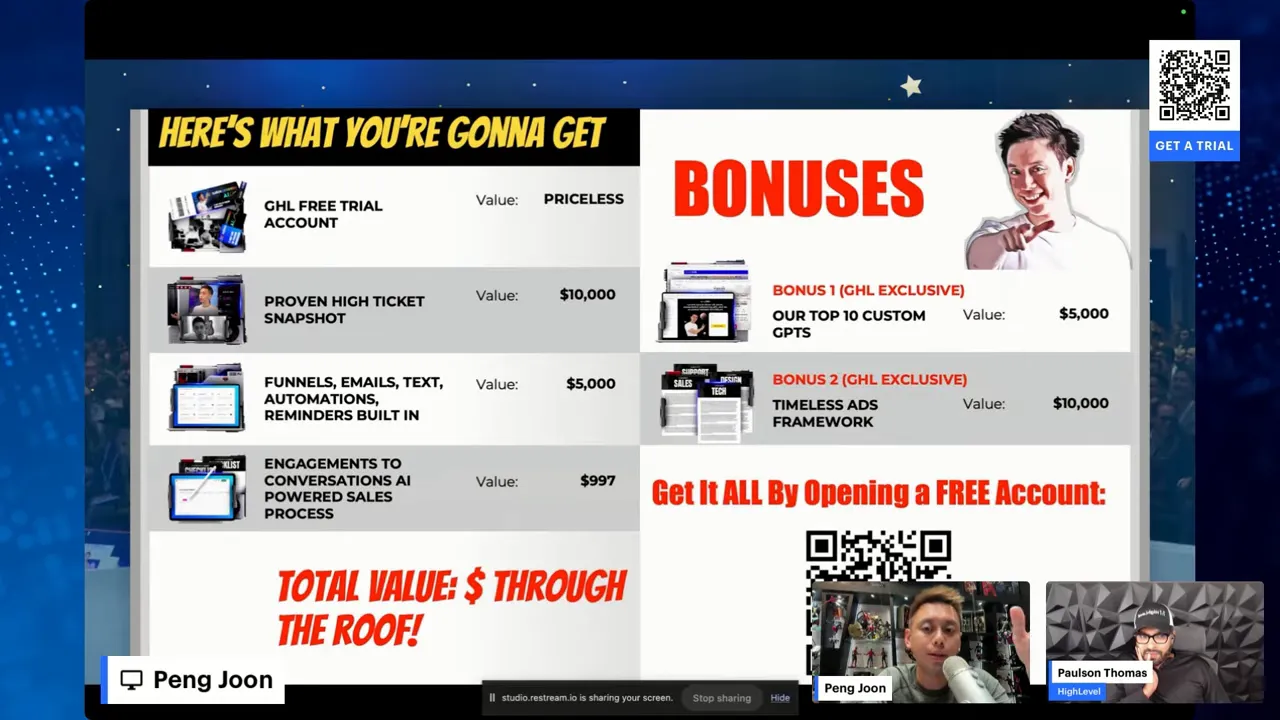
- Create a GFunnel account and explore the funnel-home and CRM features to connect your first campaign.
- Use GFunnel’s automation-home to design the comment-to-email-to-funnel flow I outlined above.
- Join GFunnel’s communities and events to learn from peers and run onboarding challenges that reduce churn.
CTA: Ready to get started? Create an account on GFunnel and activate the Lead Connector With GFunnel workflow to turn social engagement into real revenue.
FAQs
- Q: What makes GFunnel more than a funnel builder?
A: GFunnel is a full business platform that adds CRM, automation, real-time analytics, community networking, e-commerce, and API flexibility alongside funnel creation. - Q: How does GFunnel support automation and lead generation?
A: GFunnel’s automation-home features let you create multi-channel workflows that convert social comments or messages into captured emails and CRM records, powering the Lead Connector With GFunnel process for predictable lead generation. - Q: Can GFunnel really reduce manual work?
A: Yes — by integrating messaging, email, SMS, and funnels into automated workflows, teams report up to a 50% reduction in manual follow-ups and repeated tasks. - Q: How does GFunnel help with copy and ad creation?
A: Pair GFunnel’s funnel and analytics with AI-generated, classic copy frameworks to produce high-converting headlines and creatives quickly, then measure performance via real-time dashboards for fast iteration. - Q: What resources are available for onboarding and reducing churn?
A: Use GFunnel’s communities, events, and 24-hour challenge templates to drive early engagement (move customers from red to yellow), plus use automation to ensure users complete key setup tasks.
Related Resources and Next Steps
Want to dive deeper into implementing these systems? Explore GFunnel’s core resources:
- GFunnel homepage — a one-stop destination to learn about the business platform and create your account.
- GFunnel automation — see how automation-home features can remove manual tasks and build repeatable funnels.
- GFunnel communities — connect with niche groups like E-commerce Pros and SaaS Founders to accelerate learning.
- Create an account on GFunnel to test the Lead Connector With GFunnel flow firsthand.
Interactive element suggestion: Test your business growth potential with a GFunnel quiz to identify the highest-leverage areas to implement marketing funnels and automation.
Final Thoughts
Over the years I’ve seen many entrepreneurs struggle because they try to do everything at once. Start with one high-impact campaign: a post that drives comments, a workflow that captures emails, and a funnel that nurtures and converts. Use the Lead Connector With GFunnel to centralize conversations and automate follow-up. When you pair that with timeless copy frameworks amplified by AI and a community-driven onboarding cadence, you create a resilient growth engine that scales.
Marketing funnels done right — powered by the Lead Connector With GFunnel — let you convert engagement into revenue and build a business that’s less about firefighting and more about predictable growth.
Start building your next funnel today.
Need Help Implementing This? |
|
Schedule A Discovery Call With One Of Our Professionals |
| Access Now |


