
Meta description: Discover how GFunnel’s business automation tools and Simon Squibb's strategies transform success. Start free today! 🚀
Overwhelmed by a dozen apps, inconsistent sales, and the constant scramble to keep the business moving? You are not alone. Entrepreneurs bite off more than they can chew: websites in one place, CRM in another, contracts scattered across emails, and precious time spent copying data instead of selling. That friction kills momentum and drains cash. The better route is simple: focus on an irresistible offer, organize the systems that deliver it, and automate everything that can be automated.
This article lays out a blueprint for turning a crazy, high-velocity idea into a stable, scalable business using two things together: the right strategies and the right technology. You will learn actionable hiring, marketing, and retail tactics inspired by Simon Squibb, and a practical walkthrough of GFunnel’s all-in-one ecosystem—Lead Connector, Flows AI, AI-powered contract management, no-code website builders, and CRM features—to build reliable, repeatable revenue.
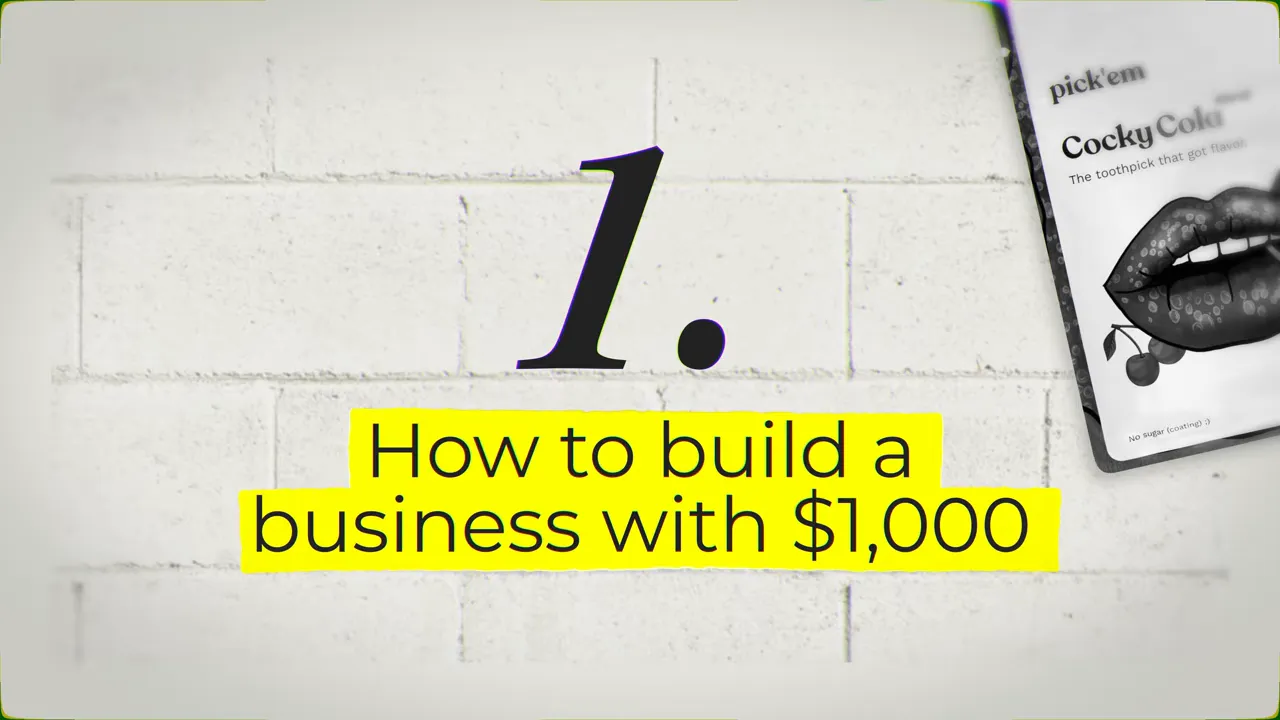
Table of Contents
- Chapter 1: The Entrepreneurial Challenge — Why most small businesses stall
- Chapter 2: GFunnel’s All-in-One Solution — Tools that replace the messy stack
- Chapter 3: A Real-World Case Study — From garage prototypes to viral demand
- Chapter 4: Deep Dive into Features — How each tool converts effort into revenue
- Chapter 5: Hiring, Marketing, and Retail Tactics — Scale without chaos
- FAQs
- Conclusion — Channel your success
Chapter 1: The Entrepreneurial Challenge
Most early-stage businesses share the same five problems: scattered tools, no documented processes, inability to delegate, a pile of half-built funnels, and unclear measurement. Those problems create a single result—no reliable growth. Simon Squibb emphasizes that identifying the customer’s pain is the core of any high-price, high-value offer: the deeper the pain, the more you can charge. But before you can deliver a high-value solution, you need systems that actually deliver.
Common patterns that stall entrepreneurs:
- Disconnected tech stack: CRM, website, analytics, contracts, and fulfillment all live in separate silos.
- Instructional paralysis: The founder spends hours in tutorials building small pieces but never finishes a complete system.
- Impossible handoffs: Nothing is documented, so hiring means retraining the founder instead of delegating effectively.
- Shaky offers: Offers aren’t irresistible because they aren’t built around the customer’s real pain or a clear guarantee.
- Low leverage: Too many one-off tasks that don’t scale (manual invoices, emails, follow-ups).
When these issues compound, growth becomes sporadic and stressful. The only cure is to stop treating software as a feature checklist and start treating it as the backbone of your business system. That means a single place to manage leads, deliver experiences, sign contracts, build pages, and measure outcomes. This is where an all-in-one platform becomes a strategic advantage rather than just a convenience.
Chapter 2: GFunnel’s All-in-One Solution
GFunnel solves the root problem: the gap between having a product and having a reliable system that sells it. Instead of stitching together ten tools and spending hours on integrations, GFunnel provides a unified environment where funnels, CRM, contracts, and workflows live together.
Lead Connector: Your single source of truth
Lead Connector is a CRM built for small teams and creators who want to stop losing leads. It tracks conversations, automates follow-ups, and gives you one timeline for every prospect. Match this to Simon’s principle of making offers people can’t refuse: Lead Connector lets you build nurture flows that escalate interest from curiosity to purchase without manual babysitting.

Flows AI: Automate nurture and follow-ups
Flows AI takes repetitive communication off your plate. Create sequences that trigger based on behavior—website visits, purchases, or missed payments—and let the system handle deliverability. This is the difference between chasing 10 potential customers and automating a funnel that converts 500 prospects on autopilot.
AI-powered contract management
Contracts are a sales bottleneck. When the legal side is manual and slow, deals stall. GFunnel’s AI tools generate, customize, and store contracts automatically. Integrate signatures, version control, and reminders so legal becomes an accelerator rather than a blocker. Use these features to implement risk-reducing guarantees—one of the strongest persuasion tools in Simon’s toolbox.
No-code website builders & lightning pages
Launch landing pages that load fast and are built for conversion. The emphasis is on speed and simplicity: drag, drop, publish. That allows you to test offers quickly and iterate based on real data instead of hypotheses.
CRM solutions that drive predictable revenue
A CRM is only useful if it’s used. GFunnel’s CRM is designed to be frictionless: lead scoring, segmentation, and analytics are visible and actionable. This empowers founders to be ruthless about what they optimize: offers, email sequences, and ad-to-page experiences.
Watch how GFunnel transforms businesses in this deep dive.
Passive income & affiliate opportunities
GFunnel is not just a toolset; it’s an ecosystem. There are built-in ways to earn by recommending GFunnel—perfect for creators and agencies. Simon’s strategy of creating high-value, low-risk revenue streams maps neatly here: offer services or templates on top of GFunnel and collect predictable income while your funnels run.
GFunnel makes it simple to connect the dots between an irresistible offer and the systems that fulfill it. The platform is designed so founders can spend less time wiring tools and more time refining the offer, testing channels, and scaling what works.
Chapter 3: A Real-World Case Study — Pick'em
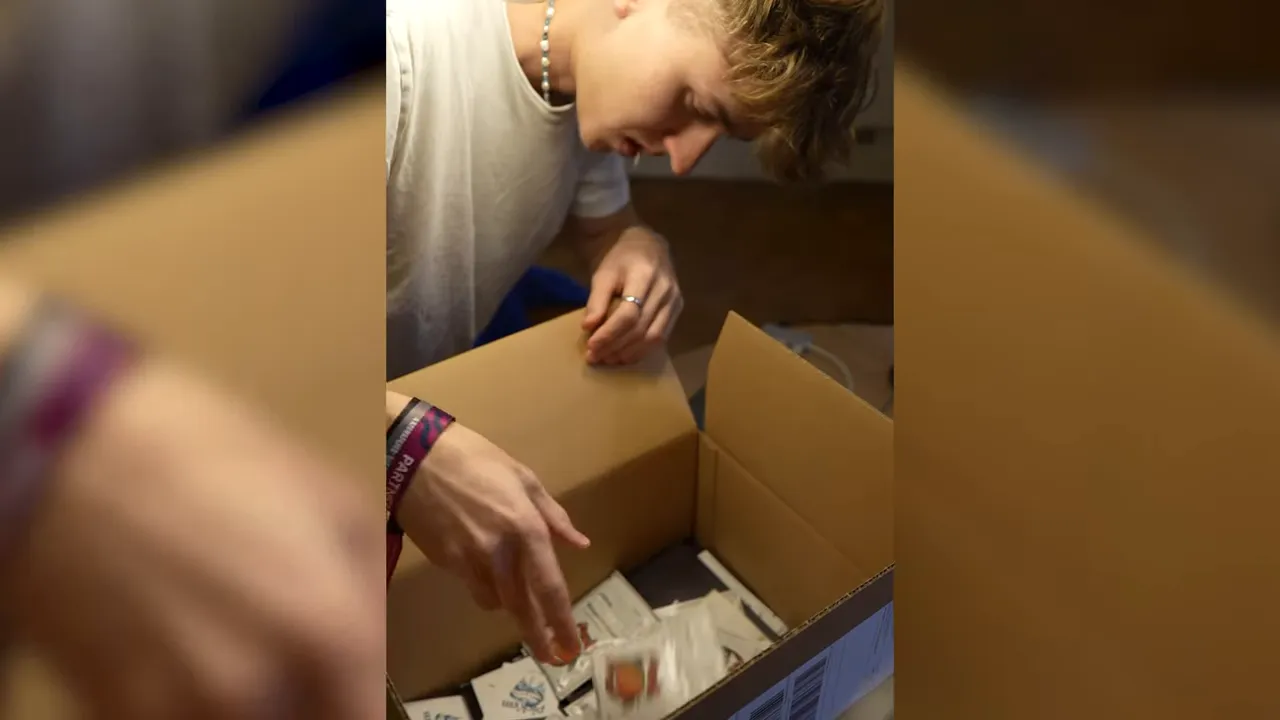
Folkert, the cofounder of Pick'em, turned $1,000 into a business with a product that seems too simple to fail: flavored toothpicks. The raw idea was deceptively simple—take a primitive product and give it modern flavor plus bold branding. The real lessons are not about toothpicks. They are about product-market fit, viral marketing, and using momentum to buy time and resources.
Key moves Folkert executed that map to GFunnel capabilities:
- Minimal initial spend: He used $1,000 and made prototypes in a garage. GFunnel’s no-code pages and Lead Connector let founders test landing pages and capture pre-orders without heavy upfront cost.
- Test multiple content formats: He tried street interviews, stunts, and social experiments. With GFunnel, capture the traffic from any format directly into flows that convert.
- Leverage social virality: A clever callout to a major creator led to a DM and a surge of followers. Use GFunnel to collect these followers as leads, send automatic welcome sequences, and convert them into pre-orders.
- Pre-orders to finance production: When sold out, they used an eight-week pre-order to finance manufacturing. A GFunnel page with a clear pre-order sequence and automated payment reminders makes this repeatable and reliable.
When KSI and later Macklemore reacted publicly, Pick'em had a high-converting landing page and a follow-up funnel. That meant each viral impression turned into an email or sale. Without those systems, viral attention fades fast. With them, it becomes predictable demand that funds growth.

Takeaway: virality is a springboard, not a business plan. Build the systems that capture and monetize attention—and if you want to scale, build them in one place where analytics are real-time and action is automatic.
Chapter 4: Deep Dive into Features (and how to use them)
Here’s how to translate the ideas above into specific GFunnel actions. This chapter focuses on features you can deploy today and how Simon Squibb’s tactics sharpen their impact.
How Lead Connector simplifies lead tracking
Set up a single Lead Connector funnel:
- Create a landing page for your primary offer (gift, discount, or pre-order).
- Use a lead magnet to capture emails and phone numbers.
- Apply lead scoring based on engagement—page visits, clicks, video views.
- Trigger Flows AI sequences to follow up at 1 hour, 24 hours, and 7 days.
Why this works: you reduce friction for a first purchase, and you keep interested prospects moving toward conversion through automated nudges. Simon's rule: make the offer so compelling the buyer feels stupid saying no; the system is how you deliver the offer consistently.
Flows AI: examples of high-impact sequences
- New lead welcome + social proof email straight away.
- If no purchase after 48 hours, send a limited-time discount + product video.
- For pre-orders, send production updates and delivery expectations to reduce cancellations.
Flows AI reduces manual follow-up and keeps friction minimal. It allows you to make guarantees (e.g., delivery windows) and deliver on them automatically—boosting trust and conversion.
AI Contract Management in practice
Common use cases:
- Coaching contracts with built-in milestones and payment schedules.
- Wholesale agreements for retailers with tiered pricing and SKU lists.
- Affiliate or influencer contracts with auto-tracked deliverables.
Store signed agreements next to the customer record. When the retailer calls, pull up the contract immediately. This reduces delays and increases confidence when closing larger deals.
Website builder tricks that convert
Pages must load fast and answer the buyer’s main question: Why should I buy right now? Use split testing on hero headlines, proof sections, and a short FAQ. Track page-to-sale conversion rate inside GFunnel. If your headline or CTA beats the baseline by even 10 percent, that compounds rapidly as traffic scales.
Analytics and iteration
Data is how you find leverage. GFunnel shows the entire customer journey: click > page > email > purchase. Use those touchpoints to test small changes: a different subject line, a new image, or an extra social proof block. Simon’s approach favors relentless testing and focusing only on what moves the needle.
Chapter 5: Hiring, Marketing, and Retail Tactics
Growing from a garage operation to a larger business depends on three things: the right hires, a scalable marketing playbook, and smart retail partnerships. Simon Squibb’s practical advice here is worth repeating: match tasks to people’s strengths, and use equity to attract specialists who otherwise command high salaries.
Hiring: specialists vs. generalists
Early on, a team of generalists is fine. As you scale, bring in specialists for specific functions—retail, logistics, creative. There are two affordable hacks:
- Ask directly: reach out to proven specialists on LinkedIn and offer coffee to explore options. The conversation often leads to consulting, advisory roles, or an equity-based arrangement.
- Offer buy-in: many high-paid specialists have cash but no ownership. Offer equity to align incentives. They help scale the business and gain upside.
Be explicit about roles. When the day-to-day changes, make sure everyone knows their evolving job description instead of expecting them to guess.
Marketing: optimize every piece of content for conversions
Simon’s stance is blunt: you can be entertaining and direct at the same time. Create valuable content, and always include a subtle call-to-action or a tag that points to purchase. Use TikTok Shop, Amazon, and GFunnel landing pages to capture impulse buys. Key tactic: before hitting publish, ask: “Is this video optimized to get a sale?” If not, add a simple visual tag or a pinned link.
Retail: get into stores without dying on margin
Retail is valuable for reach, but it often strips margin. Use marketing to make retail profitable:
- Pitch the marketing team at the retailer, not just the buyers. Offer to co-market or run pop-ups. They spend money on marketing; propose a mutually beneficial campaign.
- Create in-person experiences that generate content—pop-ups, stunts, or sampling booths. Record and feed that content back into your GFunnel pages and flows.
- Use retail success to create a premium offer or exclusive SKU sold only on your site to maintain higher-margin channels.
Example: run a Carnaby Street pop-up for the holidays. Capture emails on the spot, add visitors to a Flows AI back-end sequence with a limited-time discount, and retarget them with better offers. Retail then becomes both awareness and acquisition.
FAQs
Q: What is Lead Connector?
A: Lead Connector is GFunnel’s CRM and lead management system that centralizes contacts, scores leads, and automates follow-ups so you don’t miss sales opportunities.
Q: How does Flows AI save time?
A: Flows AI automates sequences across email, SMS, and in-app messages. Triggered by user behavior, these sequences nurture leads and close sales without manual effort.
Q: How does AI-powered contract management work?
A: It generates, customizes, and stores contracts automatically, integrates e-signatures, and ties agreements to customer records so legal processes become efficient and auditable.
Q: Is GFunnel free to start?
A: GFunnel offers an accessible entry point so entrepreneurs can start building funnels and automations quickly. Visit GFunnel at https://www.gfunnel.com to create an account and see current plans and free tier options.
Conclusion: Channel Your Success
"Make an offer so good people feel stupid saying no." — Simon Squibb (paraphrased)
Turning a small idea into a sustainable business requires two things: a compelling offer and systems that deliver it predictably. GFunnel provides the technology backbone—Lead Connector, Flows AI, AI contract tools, website builders, and CRM—so you can stop wiring and start selling. Combined with Simon Squibb’s playbook of irresistible offers, specialist hires, and marketing that converts, you get more than tools—you get a repeatable path to scale.
If you are ready to stop juggling apps and start building an actual business system, GFunnel is built for that transition. Start by documenting your core offer, then build the funnel, automate the follow-up, and let the platform scale the work for you. Create your account at https://www.gfunnel.com/create-account and test a lead funnel within 24 hours.
Build a product people love. Capture attention. Automate the delivery. Repeat. Channel your success.


